Reza Pahlavi Presents a Bold Plan for Iran's Future
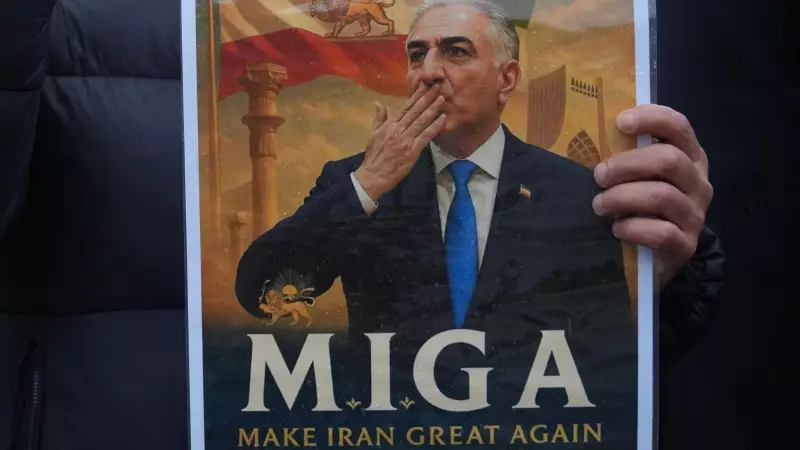
Reza Pahlavi, the exiled son of Iran's last monarch, has laid out a clear vision for his homeland. He wants to see a major shift in how Iran operates on the world stage and within its own borders. His proposal focuses on two critical changes that could reshape the nation.
A Call to End the Nuclear Ambitions
Pahlavi strongly advocates for Iran to completely halt its nuclear program. He believes this step is essential for improving international relations. Many countries have expressed deep concern over Iran's nuclear activities. Ending the program could reduce tensions and open doors for better diplomatic ties.
The nuclear issue has been a point of conflict for years. Pahlavi's stance aligns with those who seek a non-nuclear Iran. He argues that resources spent on nuclear development could be better used elsewhere. This move might help Iran reintegrate into the global community more smoothly.

Establishing a Secular Democratic System
Beyond foreign policy, Pahlavi envisions a fundamental change in Iran's governance. He calls for the establishment of a secular democracy. This means a government separate from religious control, where all citizens have equal rights regardless of faith.
Iran currently operates as an Islamic Republic, with religious leaders holding significant power. Pahlavi's proposal challenges this structure. He emphasizes freedom, human rights, and democratic principles. His vision includes free elections, a fair judiciary, and protection for minority groups.
Many Iranians, especially the youth, have shown interest in more secular and democratic reforms. Pahlavi's ideas resonate with these segments of the population. He sees this as a way to foster national unity and progress.
Opening a New Chapter for Iran
Pahlavi describes his plan as the start of a new chapter for Iran. He believes these changes can lead to stability and prosperity. The country faces economic challenges and social unrest. A new political framework might address these issues more effectively.
His vision is not just about policies but about a broader transformation. It aims to create a Iran that is peaceful, open, and respectful of diverse beliefs. This approach could redefine Iran's role in the Middle East and beyond.
Reza Pahlavi remains a prominent figure among some Iranian exiles and opposition groups. His statements often spark discussions about Iran's future direction. While his influence inside Iran is debated, his ideas contribute to ongoing debates about reform and change.
The path to implementing such a vision is complex and faces many obstacles. However, Pahlavi's outline provides a clear alternative to the current system. It highlights the possibilities for a different Iran in the years to come.