

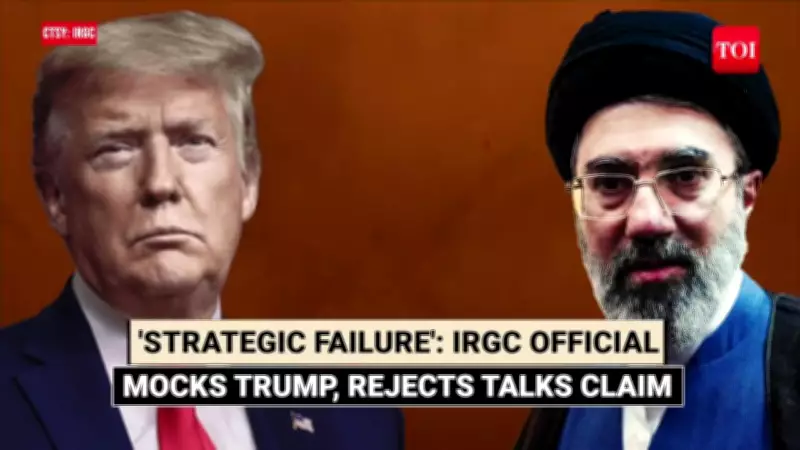
Iran Dismisses Trump's Ceasefire Proposal as Strategic Failure
In a significant escalation of diplomatic tensions, Iran has publicly mocked and rejected a 15-point ceasefire plan presented by former US President Donald Trump, labeling it a strategic failure and issuing a chilling warning to American military forces. The Iranian military spokesperson categorically dismissed any possibility of negotiations, asserting that Iran would not return to talks now or ever, signaling an uncompromising hardline stance.
Washington's Diplomatic Overture Through Pakistan
According to verified reports, the ceasefire proposal was submitted to Iranian authorities through intermediaries from Pakistan, which had offered to host renewed negotiations between Washington and Tehran. This diplomatic channel, however, appears to have been firmly rebuffed by Iranian leadership, who framed the move as an attempt by Washington to disguise military setbacks as diplomatic progress.
Iran's Military Warning and Regional Context
The Iranian spokesperson explicitly warned against what they described as framing defeat as diplomacy, mocking Washington's claims of military strength. This rejection comes amid a series of regional escalations, including:

- Iran's demonstrated 4,000 km missile strike capability raising alarms in European capitals
- Recent drone surveillance of US bases in Arab nations by Iran-linked forces
- Multiple drone attacks targeting international infrastructure
- Cluster munition strikes near Tel Aviv causing significant damage
The Iranian Revolutionary Guard Corps (IRGC) has previously issued warnings referencing historical US presidents, suggesting a pattern of escalating rhetoric alongside military posturing.
Broader Implications for Middle East Stability
This firm rejection of diplomatic overtures occurs within a complex regional landscape where:
- Russia has been reportedly aiding Iranian missile and drone capabilities
- Saudi Arabia's potential entry into the conflict has been suggested
- Multiple international actors are navigating increasingly volatile security dynamics
The Iranian position represents a significant hardening of their diplomatic posture, potentially closing avenues for de-escalation through traditional negotiation channels. This development suggests that regional tensions may continue to intensify, with military posturing taking precedence over diplomatic solutions in the immediate future.






