

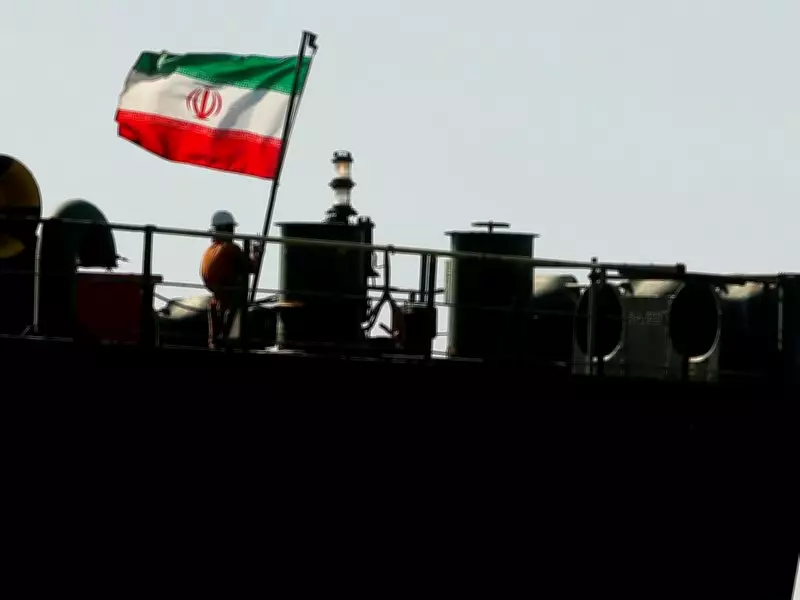
Iran Rejects Second Round of Negotiation Talks in Islamabad
In a significant diplomatic development, Iran has officially declined to participate in a second round of negotiation talks that were scheduled to be held in Islamabad. The decision was communicated through official channels, with Iranian authorities citing two primary reasons for their withdrawal: excessive demands by the United States and alleged breaches of ceasefire agreements.
Excessive Demands by the United States
According to Iranian officials, the United States presented a set of demands during the initial negotiations that were deemed unreasonable and disproportionate. These demands, which have not been publicly detailed, were described as going beyond the scope of the agreed-upon framework for the talks. Iranian representatives argued that such conditions would undermine the potential for a fair and balanced resolution to the ongoing issues between the two nations.
The Iranian stance emphasizes that any negotiation must be based on mutual respect and equitable terms, and they view the US demands as a deviation from this principle. This rejection highlights the deep-seated tensions and mistrust that continue to characterize US-Iran relations, particularly in the context of regional security and nuclear agreements.

Alleged Ceasefire Breaches
In addition to the issue of demands, Iran has pointed to alleged breaches of ceasefire agreements by the United States as a key factor in their decision. Iranian sources claim that recent actions by US forces in the region have violated terms that were previously agreed upon, creating an environment of instability and hostility.
These alleged breaches are said to have eroded the confidence necessary for productive dialogue, leading Iran to conclude that further talks under current conditions would be futile. The specific incidents referenced have not been disclosed, but they are understood to involve military activities that Iran interprets as aggressive or non-compliant with existing accords.
Implications for Regional Diplomacy
The rejection of the Islamabad talks has immediate implications for regional diplomacy and international relations. Islamabad, which was chosen as a neutral venue for the negotiations, now faces the challenge of facilitating dialogue in a highly polarized context. The breakdown of these talks could potentially escalate tensions in the Middle East, affecting neighboring countries and global security dynamics.
- Impact on US-Iran Relations: This move is likely to further strain the already fragile relationship between the US and Iran, complicating efforts to address issues such as nuclear proliferation and regional conflicts.
- Role of Pakistan: As the host nation, Pakistan's diplomatic efforts to mediate between the two sides may be undermined, requiring renewed strategies to encourage engagement.
- International Response: Other global powers and international organizations are expected to monitor the situation closely, with potential calls for alternative diplomatic initiatives to prevent escalation.
In summary, Iran's decision to reject the second round of negotiation talks in Islamabad underscores the persistent challenges in US-Iran diplomacy. By citing excessive demands and ceasefire breaches, Iran has signaled its unwillingness to proceed under what it perceives as unfavorable conditions. This development calls for a reassessment of diplomatic approaches to foster constructive dialogue and mitigate regional tensions.






