Iran Moves Toward Swift Trials and Executions of Protesters
Iranian authorities have signaled their intention to conduct rapid trials and executions of antigovernment protesters. This move comes despite a direct warning from former US President Donald Trump. The country continues to intensify its crackdown on nationwide demonstrations.
Judiciary Chief Calls for Immediate Action
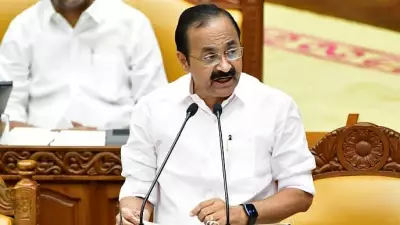
Iran's judiciary chief, Gholamhossein Mohseni-Ejei, stated clearly that courts must act quickly against protesters. He emphasized urgency in a video released by Iranian state television. "If we want to do a job, we should do it now. If we want to do something, we have to do it quickly," he declared.
Mohseni-Ejei made these comments during a visit to a Tehran prison holding protest detainees. He referenced public expectations for action against those accused of violent acts.

Rising Death Toll and Detentions
Human Rights Activists in Iran reported on Wednesday that the death toll has now surpassed 2,400 people. The regime continues its efforts to crush the demonstrations completely.
The group also provided additional alarming statistics:
- More than 140 members of government security forces have been killed
- Over 18,000 people have been detained during the protests
Human rights organizations express serious concern about detainees facing high risks of torture and execution.
Information Blackout and First Execution
Information about protests and potential prosecutions remains extremely scarce. The regime cut off internet access last week, creating a near-total communications blackout.
Human rights activists indicate the first execution of a prisoner arrested in connection with the protests appears imminent. Erfan Soltani, a 26-year-old unmarried shopkeeper from Karaj, faces this threat directly.
According to Awyer Shekhi of the Norway-based Hengaw Organization for Human Rights, Soltani's family received notification that his death sentence would be carried out on Wednesday. The young man runs a clothes shop in Karaj, northwest of Tehran, where authorities detained him on January 8.
Shekhi noted that Soltani's family claims he had no previous involvement in political activism. Relatives have not received details about specific charges or whether a court actually convicted him. He remains held in Ghezel Hesar Prison in Karaj, where his family was told they could have a final visit before execution.
International Response and Legal Justifications
Former President Trump issued a strong warning on Tuesday. He stated the United States would take action against Tehran if authorities put antigovernment prisoners to death by hanging. "If they hang them, you're going to see some things," Trump told CBS News. "We will take very strong action if they do such a thing."
Trump also called for protesters to defy regime efforts to quell demonstrations. He urged them to take over state institutions in a Truth Social post declaring "HELP IS ON ITS WAY."
Tehran's chief prosecutor, Ali Salehi, said Friday that protesters could face the death penalty. According to the semiofficial Tasnim news agency, acts of vandalism against public property would be considered "moharebeh." This Farsi term means "waging war against God," and its punishment includes execution.
Historical Context of Protest Crackdowns
Iran has precedent for such severe measures against protesters. After large antigovernment protests in 2022, authorities carried out public hangings of multiple individuals. They claimed these people were convicted of committing violent acts.
In 2025, Amnesty International reported that Iran had executed 11 individuals in connection with the 2022 protests. The rights group described these proceedings as "unfair sham trials."
Mahmood Amiry-Moghaddam, director of the Oslo-based Iran Human Rights NGO, commented on the current situation. "The signal that authorities keep sending is that they have ordered extraordinary measures by the courts," he observed.
The international community watches closely as Iran prepares for what appears to be an accelerated judicial process against demonstrators. Families of detainees wait anxiously for information in the communication blackout, while human rights organizations document each development.