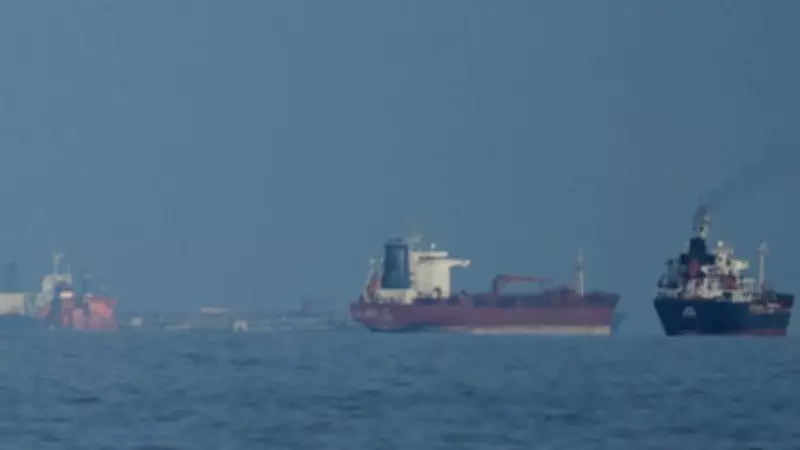
Iran Announces New Policy for Strait of Hormuz Passage
In a significant development for global maritime trade, Iran has declared that non-hostile ships are now permitted to transit through the strategically vital Strait of Hormuz. However, this access comes with a crucial stipulation: vessels must engage in prior coordination with Iranian officials to ensure safe passage. This move is poised to impact international shipping routes and regional security dynamics.
Details of the New Maritime Regulation
The announcement specifies that only ships deemed non-hostile by Iranian authorities will be allowed to use the strait. This classification likely excludes military vessels from nations considered adversaries or those involved in conflicts with Iran. The requirement for prior coordination involves notifying Iranian maritime officials in advance, possibly including details such as ship identity, cargo, and intended route. This step is intended to prevent misunderstandings and potential confrontations in the waterway.
Importance of the Strait of Hormuz

The Strait of Hormuz is a critical chokepoint for global oil shipments, with approximately one-fifth of the world's oil supply passing through it daily. Situated between Iran and Oman, it connects the Persian Gulf to the Gulf of Oman and the Arabian Sea. Any disruptions here can lead to spikes in oil prices and affect energy markets worldwide. Iran's control over this strait has long been a point of geopolitical tension, especially with Western nations.
Implications for International Shipping and Security
This policy shift could streamline transit for commercial vessels, reducing delays and enhancing safety if coordination processes are efficient. However, it also raises concerns about increased Iranian influence over maritime traffic and potential discrimination against ships from certain countries. Shipping companies may need to adapt their protocols to comply with the new requirements, possibly affecting logistics and costs.
Regional and Global Reactions
Neighboring countries and international stakeholders are likely monitoring this development closely. While it might ease tensions by providing a structured framework for passage, it could also lead to disputes if coordination is perceived as restrictive or biased. The move underscores Iran's assertive stance in regional waters amid ongoing diplomatic and economic challenges.
In summary, Iran's decision to allow non-hostile ships through the Strait of Hormuz with prior coordination marks a pivotal moment in maritime policy. It balances operational needs with security concerns, but its implementation will be key to determining its success and impact on global trade flows.