Gulf Allies Sound Alarm Over Iran's Missile Threat to US Installations
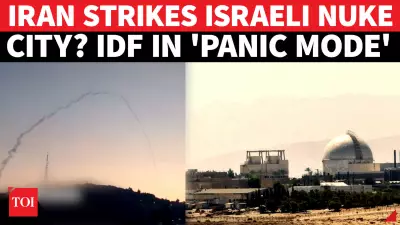
In a significant development that underscores escalating tensions in the Middle East, Gulf allies have formally cautioned Washington about the grave dangers posed by Iran's sophisticated missile arsenal. According to recent reports, these regional partners have emphasized that Iran's capabilities represent a direct and serious threat to the security of United States military bases stationed across the Gulf region.
Advanced Missile Systems Heighten Regional Risks
The warning from Gulf nations comes amid growing concerns over Iran's continuous advancements in missile technology. Iranian forces have been actively developing and deploying a range of ballistic and cruise missiles, many of which are believed to possess the precision and range necessary to target key American installations with high accuracy. This technological progress has not gone unnoticed by neighboring countries, who now fear the potential for destabilizing conflicts that could arise from such potent weaponry.
Military analysts point out that Iran's missile program has evolved significantly over the past decade, incorporating guidance systems and payload capacities that enhance their strategic value. The ability to strike distant targets with minimal warning time adds a layer of complexity to regional defense planning, forcing both the US and its allies to reassess their security postures in the volatile Gulf area.

Implications for US Strategic Interests
The alert from Gulf allies carries profound implications for Washington's foreign policy and military strategy in the Middle East. US bases in countries such as Qatar, Bahrain, and the United Arab Emirates serve as critical hubs for operations, intelligence gathering, and rapid response capabilities. Any compromise to their security could undermine American influence and operational effectiveness in a region already fraught with geopolitical rivalries and proxy conflicts.
Furthermore, the warning highlights the delicate balance Washington must maintain in its relationships with Gulf partners, who rely on US protection while also navigating their own diplomatic engagements with Iran. This dynamic complicates efforts to form a unified front against potential threats, as regional actors weigh their economic and political interests alongside security concerns.
Regional Security Dynamics Under Strain
The escalation of Iran's missile capabilities is not occurring in isolation; it reflects broader shifts in the Middle East's security landscape. Rivalries between Iran and Sunni-majority Gulf states, coupled with ongoing tensions over nuclear negotiations and regional interventions, have created an environment where military posturing plays a central role. The warning to Washington serves as a reminder of how these underlying frictions can translate into tangible risks for international stakeholders.
In response to these developments, experts suggest that the United States may need to enhance its defensive measures, including missile defense systems and intelligence-sharing agreements with allies. However, such steps could also provoke further escalation, highlighting the complex challenges faced by policymakers in managing this high-stakes situation.
As the situation continues to evolve, the international community will be closely monitoring how Washington addresses these warnings and what steps are taken to mitigate the threats posed by Iran's expanding missile arsenal. The outcome could have lasting repercussions for stability in the Gulf and beyond.