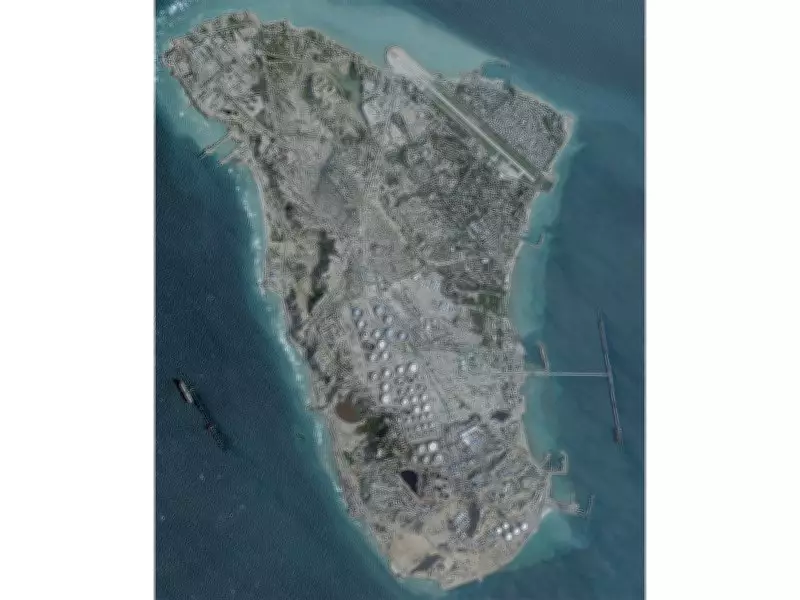
Iran Responds to US Military Movements with Kharg Island Fortifications
In a significant escalation of tensions in the Persian Gulf, Iran has initiated defensive measures on Kharg Island, including the laying of mines and deployment of additional troops. This move comes in direct response to recent reports from US media suggesting that the United States is increasing its ground presence in the region, with potential aims to seize the strategically vital island.
Strategic Importance of Kharg Island
Kharg Island is a critical asset for Iran, handling approximately 90% of the country's crude oil exports. Its location in the Persian Gulf makes it a key point for global energy supplies, and any disruption could have far-reaching economic implications. According to a CNN report citing unnamed sources, Iran has been laying various traps, such as anti-personnel and anti-armor mines, around the island. These preparations are believed to be aimed at thwarting any possible amphibious landing by US forces.
US Military Buildup in the Region
The Trump administration has reportedly been considering the use of US troops to seize Kharg Island, potentially using it as leverage to pressure Iran into opening the Strait of Hormuz. Recent deployments include:

- Approximately 2,000 soldiers from the US Army's 82nd Airborne Division moving to the Middle East from North Carolina.
- Two Marine Expeditionary Units en route from Japan and San Diego, adding between 6,000 and 7,000 marines and sailors to the existing force of about 50,000 in the region.
These deployments are among the largest since the Iraq war in 2003, highlighting the seriousness of the situation.
Iranian Leadership's Warnings and Monitoring
Speaker of Iran's Parliament, MB Ghalibaf, has publicly stated that Iran has received intelligence reports indicating enemy countries are preparing to occupy one of Iran's islands. In a post on X, he emphasized, "Our forces are monitoring all enemy movements, and if they take any step, all the vital infrastructure of that regional country will be targeted with relentless, unceasing attacks." This strong rhetoric underscores Iran's readiness to retaliate against any aggression.
Diplomatic and Military Context
Iranian Foreign Minister Abbas Araghchi has asserted that the US has failed to achieve its key war objectives against Iran, including securing a quick military victory and instigating regime change in Tehran. Meanwhile, the Pentagon's recent troop movements suggest a heightened state of alert in the Persian Gulf, with forces positioned to respond to potential conflicts.
The situation remains fluid, with both sides taking precautionary measures. As tensions simmer, the international community watches closely, aware that any miscalculation could lead to a broader conflict affecting global oil markets and regional stability.