Iran's Strategic Rise: Cementing Dominance in the Gulf Post-Ceasefire
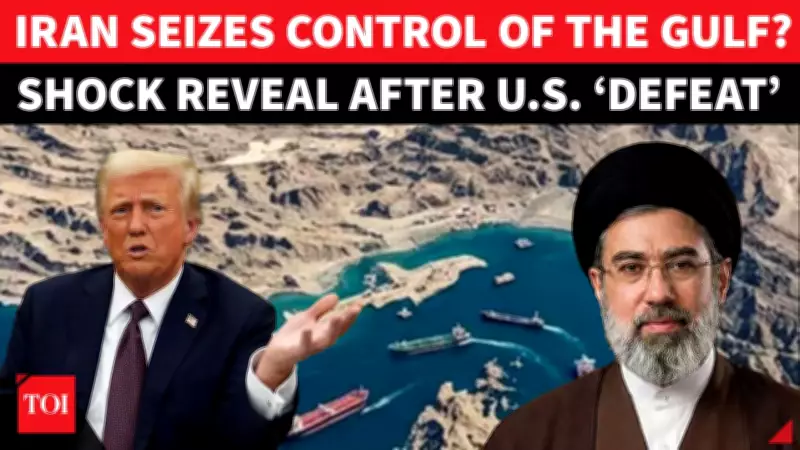
A fragile ceasefire has brought a temporary halt to hostilities, but it has also ignited a profound regional debate: has Iran emerged from the conflict as a significantly stronger power? In the wake of weeks of sustained military strikes, Tehran is now projecting unwavering confidence across multiple fronts—military, political, and economic. The Iranian leadership has strategically framed the ceasefire as an outcome shaped on its own terms, while simultaneously signaling a readiness for potential escalation across various domains.
Demonstrating Tangible Leverage in the Hormuz Strait
What the recent conflict has unequivocally demonstrated is that Iran's leverage over the Strait of Hormuz is no longer a theoretical concept. Through repeated and coordinated missile and drone operations, Iran has showcased its capability to hold critical energy infrastructure, vital shipping lanes, and the coastal economies of the Gulf region at significant risk. This military prowess extends far beyond the immediate battlefield, carrying deep strategic implications for global energy security and regional stability.
Gulf States Confront a Shifting Security Paradigm
For decades, Gulf states have relied heavily on a US-led security umbrella to ensure their protection and stability. However, the recent events have starkly exposed the limitations of this traditional security framework. As a result, countries across the region are now engaged in a subtle but crucial recalibration of their strategic postures. This shift is driven by the growing realization that Iran's influence can no longer be sidelined or ignored.

Adapting to a New Regional Reality
In response to Iran's enhanced influence, Gulf nations are being compelled to adapt through several key strategies:
- Strengthening National Defenses: Investing in advanced military technologies and bolstering domestic security capabilities to counter potential threats.
- Diversifying Supply Routes: Reducing dependency on vulnerable maritime corridors by exploring alternative land and air logistics networks.
- Adjusting Diplomatic Engagements: Re-evaluating foreign policies to navigate a complex landscape where Iran plays a central role.
The ceasefire, while fragile, has undeniably accelerated Iran's ascent as the Gulf's most influential power. The region now stands at a crossroads, with nations forced to reconcile with a new geopolitical reality where Tehran's strategic weight is an inescapable factor in shaping future dynamics.