Iran Escalates Confrontation with Europe by Declaring European Armies as Terrorist Entities
In a significant escalation of diplomatic tensions, Iran has officially designated the armies of European countries as terrorist groups. This provocative move comes as a direct retaliation against the European Union's recent decision to label Iran's Islamic Revolutionary Guard Corps (IRGC) as a terrorist organization. The announcement marks a sharp deterioration in Iran-Europe relations and introduces a new level of geopolitical friction.
Parliamentary Announcement and Symbolic Gesture
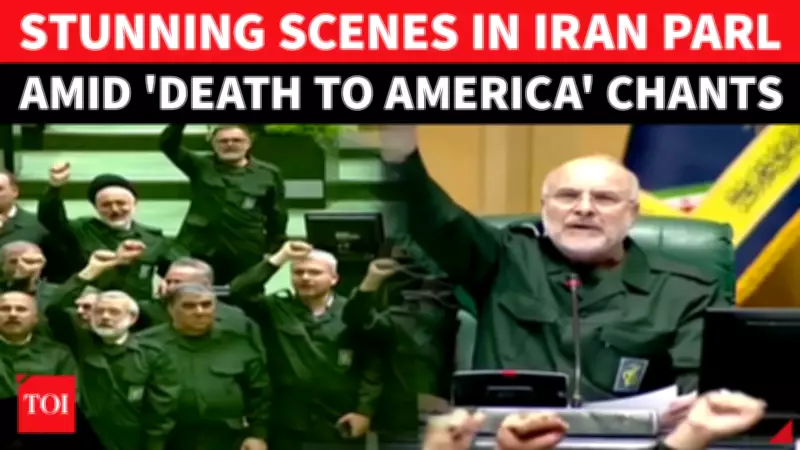
The declaration was made public on Sunday by Iran's parliament speaker, Mohammad Bagher Ghalibaf, during a parliamentary session. In a highly symbolic display of solidarity, Ghalibaf appeared dressed in a full IRGC uniform, underscoring the government's unwavering support for the elite military force. This visual statement was clearly intended to reinforce national unity and defiance against external pressures.
Speaking to lawmakers, Ghalibaf emphasized that Iran's decision is firmly grounded in domestic legislation. Specifically, he cited Article 7 of the Law on Countermeasures Against the Declaration of the IRGC as a Terrorist Organization, which provides the legal framework for such retaliatory measures. This reference to Iranian law highlights the government's attempt to frame its actions as a legitimate and calculated response rather than an impulsive reaction.

Background and Implications of the Tit-for-Tat Move
The European Union's designation of the IRGC as a terrorist organization has been a point of contention for months, with Iran repeatedly condemning the move as politically motivated and unjust. By reciprocating with its own terrorist label against European armies, Iran is employing a classic tit-for-tat strategy, aiming to mirror the EU's actions and assert its sovereignty on the international stage.
This development is likely to have far-reaching consequences for diplomatic and economic relations between Iran and European nations. Potential impacts include:
- Increased diplomatic isolation and strained bilateral talks
- Possible economic sanctions or trade restrictions from both sides
- Heightened military and security tensions in the region
- Implications for ongoing nuclear negotiations and regional stability
Regional and Global Reactions
While immediate reactions from European capitals are still emerging, the move is expected to draw strong condemnation and possibly further punitive measures. Analysts suggest that this escalation could complicate efforts to revive the Iran nuclear deal and foster broader Middle East peace initiatives. The international community, including organizations like the United Nations, may face increased pressure to mediate and de-escalate the situation.
Iran's decision also reflects its broader foreign policy approach of resisting what it perceives as Western hegemony and defending its strategic interests. By taking such a bold step, the Iranian leadership is signaling its readiness to confront external challenges head-on, even at the risk of deepening its international isolation.
As tensions continue to mount, observers are closely monitoring how European nations will respond and whether this cycle of retaliatory measures will lead to further escalation or open avenues for dialogue and resolution.