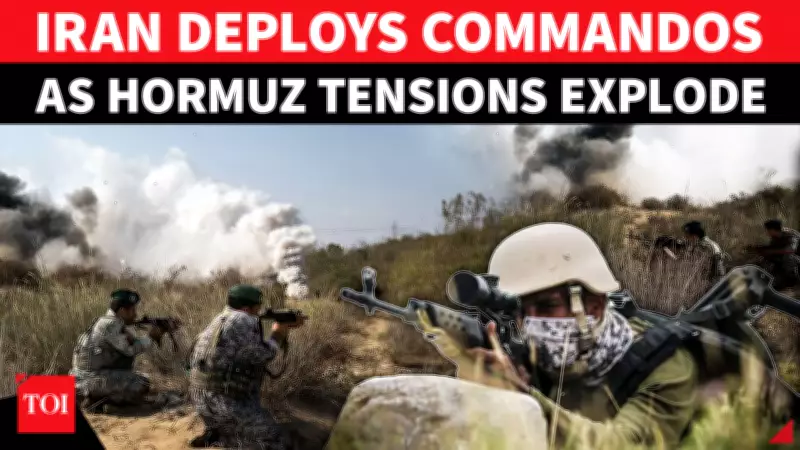
Iran Deploys Elite Takavaran Naval Commandos Amid Rising Gulf Tensions
Iran has strategically deployed its elite Takavaran naval commandos along the southern coastline, a move that comes as tensions in the Gulf region escalate significantly. This deployment follows reports of increasing friction due to U.S. plans, under President Donald Trump, to impose a blockade on Iranian ports. The situation has raised serious concerns about the potential for renewed confrontation and instability in critical global energy routes.
Takavaran Forces: Specialized Maritime Warriors
The Takavaran units represent Iran's specialized maritime forces, rigorously trained for a wide range of high-stakes operations. Their expertise includes:
- Amphibious warfare, enabling assaults from sea to land.
- Counter-invasion operations, designed to repel enemy advances.
- Underwater infiltration, for covert missions beneath the surface.
- Rapid coastal response, ensuring quick reaction to threats along Iran's shores.
Known colloquially as "fast raiders," these commandos are engineered to strike with speed and precision, effectively disrupting enemy movements in coastal zones. Their deployment signals Iran's readiness to defend its maritime interests aggressively.

Background of Escalating U.S.-Iran Confrontation
The current standoff is rooted in a series of provocative actions and statements from both sides. President Trump has reportedly rejected further talks with Iran, asserting total dominance, which has contributed to a spike in oil prices due to market anxieties. Additionally, Trump has considered limited strikes on Iran, with war options resurfacing after failed diplomatic talks in Pakistan.
In response, Iran has issued explosive warnings, asserting that the Strait of Hormuz is non-negotiable and threatening a forceful response if the U.S. proceeds with its blockade plans. The U.S. has already sent two destroyers into the Strait of Hormuz, further heightening military posturing. Iran has also ridiculed Trump and his allies, such as former Vice President Mike Pence, following the unsuccessful Islamabad negotiations, highlighting the diplomatic deadlock.
Regional and Global Implications
The deployment of Takavaran commandos underscores the broader regional instability, with proxy conflicts adding to the volatility. For instance, Hezbollah, a pro-Iran group, has launched missile and drone strikes on Israeli military targets, resulting in injuries to IDF soldiers and causing panic among residents. These multi-front attacks complicate the security landscape, potentially drawing in other actors.
Globally, the tension threatens one of the world's most crucial energy chokepoints—the Strait of Hormuz. Any disruption here could lead to significant spikes in oil prices, impacting economies worldwide. The situation has already prompted market reactions, with investors closely monitoring developments for signs of escalation.
The standoff between Iran and the U.S., marked by military deployments and harsh rhetoric, poses a severe risk to regional peace and global energy security, with the Takavaran commandos now at the forefront of Iran's defensive strategy.