Iran Imposes Selective Closure of Strait of Hormuz to US and Israeli Ships
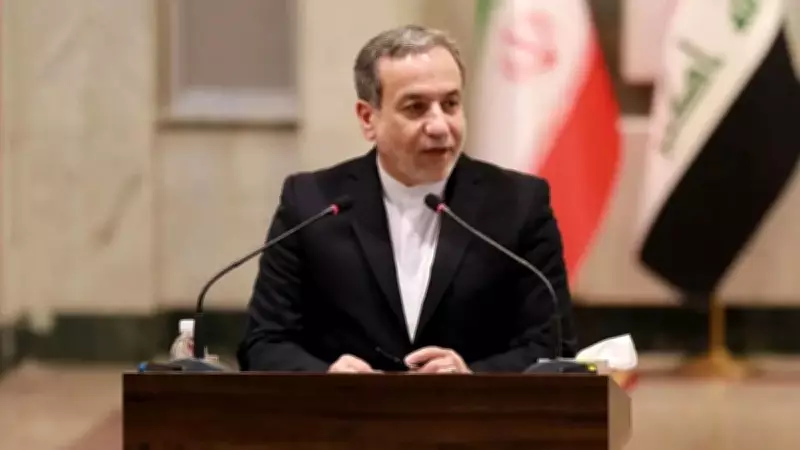
In a significant development that could impact global energy markets, Iranian Foreign Minister Abbas Araqchi has announced the closure of the Strait of Hormuz, a vital maritime chokepoint, but with a specific restriction. The closure applies exclusively to vessels from the United States and Israel, according to statements made by Araqchi on March 15, 2026.
Targeted Maritime Blockade Amid Rising Tensions
The Strait of Hormuz, located between the Persian Gulf and the Gulf of Oman, is one of the world's most crucial oil transit routes. It handles approximately one-fifth of global oil consumption, making it a strategic artery for energy supplies. Araqchi's declaration marks a targeted escalation in regional geopolitical tensions, rather than a blanket shutdown. This move is seen as a direct response to ongoing diplomatic and military pressures from the US and Israel, which Iran has long accused of hostile actions in the Middle East.
Key Implications for Global Oil Trade

The selective closure raises concerns about potential disruptions to oil shipments, as the US and Israel are significant players in the region. While other nations' vessels are reportedly unaffected, the announcement has already sparked fears of supply chain volatility. Experts warn that any incident in the strait could lead to price spikes and logistical challenges, given its role in transporting oil from major producers like Saudi Arabia, Iraq, and the United Arab Emirates.
Iran's Strategic Posturing and Regional Dynamics
This decision underscores Iran's willingness to leverage its geographic position to assert influence. By focusing on US and Israeli ships, Iran aims to send a strong message without completely alienating other international actors. The move comes amid a backdrop of heightened conflicts and sanctions in the region, with Iran seeking to counter perceived threats. Araqchi emphasized that the closure is a defensive measure, intended to protect Iran's sovereignty and security interests.
International Reactions and Future Scenarios
Global powers are closely monitoring the situation, with potential responses ranging from diplomatic negotiations to increased naval patrols. The US and Israel have yet to issue official statements, but analysts predict a firm stance against what they may view as an act of aggression. If enforced, this closure could test maritime laws and trigger broader confrontations, impacting not only oil markets but also regional stability.
In summary, Iran's announcement to close the Strait of Hormuz to US and Israeli ships represents a calculated move in a complex geopolitical landscape, with far-reaching consequences for energy security and international relations.