

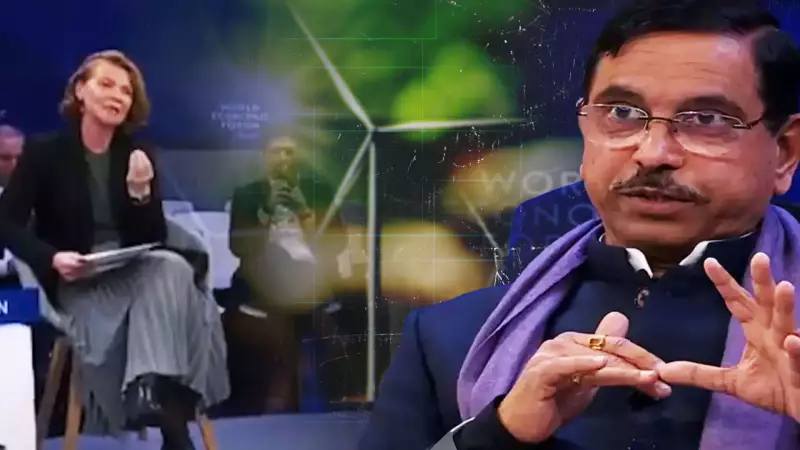
India's Green Energy Transition Drives Industrial Growth, Joshi Tells Davos 2026
India's remarkable clean energy journey took center stage at the World Economic Forum in Davos as Union Minister Pralhad Joshi addressed global leaders, presenting the nation's transition as a powerful engine for industrialisation, energy security, and affordability. Speaking at WEF 2026, Joshi emphasised that India's approach demonstrates how sustainability and economic competitiveness can progress together seamlessly.
Key Achievements in Renewable Energy
Joshi highlighted several significant milestones in India's green energy sector. The country has achieved an impressive 267 gigawatts of non-fossil fuel capacity, marking a substantial leap forward in renewable energy infrastructure. This achievement underscores India's commitment to reducing carbon emissions while meeting growing energy demands.
The minister also pointed to the rapid expansion of solar manufacturing within the country, which has not only boosted domestic production but also created numerous job opportunities. Additionally, decentralised energy schemes have empowered millions of households and farmers, providing them with reliable and affordable power sources.

Sustainability and Economic Growth Hand in Hand
Joshi's address reinforced the idea that environmental sustainability does not come at the expense of economic progress. He argued that India's green transition is actively driving industrialisation, making energy more secure and affordable for all sectors. This dual focus on ecological responsibility and economic development positions India as a model for other nations to follow.
The minister's message was clear: investing in clean energy is not just an environmental imperative but a strategic economic move that fosters long-term growth and stability.
Strategic Meetings and Future Collaborations
On the sidelines of the forum, Joshi engaged in crucial discussions with various stakeholders to bolster India's clean energy ambitions. These meetings included:
- Government representatives from other nations
- Global energy firms seeking investment opportunities
- Financial leaders interested in funding green projects
These interactions aimed to deepen investments and cooperation, reinforcing India's appeal as the next major destination for clean energy capital. By fostering international partnerships, India hopes to accelerate its green energy initiatives and share its expertise with the global community.
Joshi's presentation at Davos 2026 not only showcased India's current achievements but also outlined a vision for a sustainable and prosperous future, where green energy continues to drive economic growth and social empowerment.






