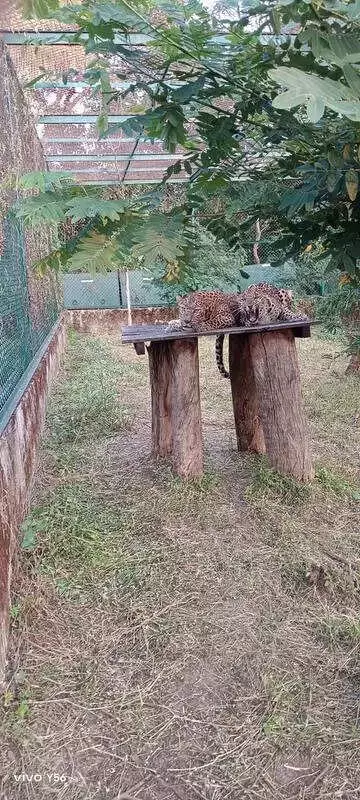
In a landmark move for wildlife conservation, the Maharashtra forest department has launched India's inaugural leopard birth control programme in the Junnar forest division of Pune district. This pioneering initiative aims to address the escalating human-leopard conflicts through a non-lethal, scientific approach.
Five Leopards Chosen for Groundbreaking Pilot
Five female leopards, aged between three and five years, have been carefully selected for the sterilisation procedure. These animals were captured from various forest ranges within the Junnar division over recent weeks. Prior to selection, each leopard underwent extensive veterinary screening at the Manikdoh Leopard Rescue Centre to confirm they were healthy and suitable for the operation.
Smita Rajhans, the assistant conservator of forests for the Junnar division, confirmed the details. "They were chosen after detailed in-house health check-ups," Rajhans stated. She added that the first step involves fitting the animals with GPS collars, while a final decision on their re-release into forest zones is pending, partly due to opposition from villagers in certain areas.

A Science-Driven Strategy to Mitigate Conflict
This project marks a significant shift in managing wildlife populations that share space with humans. Junnar, situated on the northern fringes of the Western Ghats, is a known hotspot for human-leopard conflict. Experts attribute this to rapid urbanisation, expansion of farmland, and fragmented forests that force wildlife into closer contact with human settlements.
The forest department is proceeding with caution, treating this as a science-driven experiment. A senior official mentioned they are consulting with wildlife scientists, conservation agencies, and experienced forest officers. Guidance is also being sought from global experts who have executed similar carnivore management programmes in Africa and other parts of the world.
Monitoring and Future Implications
Beyond sterilisation, the leopards will be microchipped and equipped with GPS collars. This will enable forest officials to monitor their health, movement, and territorial behaviour over a long period. A wildlife researcher associated with the project highlighted the importance of this data. "The information generated will help us understand how sterilised leopards use space, interact with others, and survive in the wild. This evidence is crucial before considering any expansion of the programme," the researcher explained.
The initiative is seen as a direct response to the limited success of traditional methods like translocation. A report from the Wildlife Institute of India (WII) had suggested exploring controlled sterilisation in conflict-prone regions. The outcomes of this pilot will determine if the model can be replicated in other conflict-affected areas across Maharashtra and India.
"Every step is being documented," emphasised Smita Rajhans, underscoring the experimental and meticulous nature of this first-of-its-kind endeavour in Indian wildlife management.