

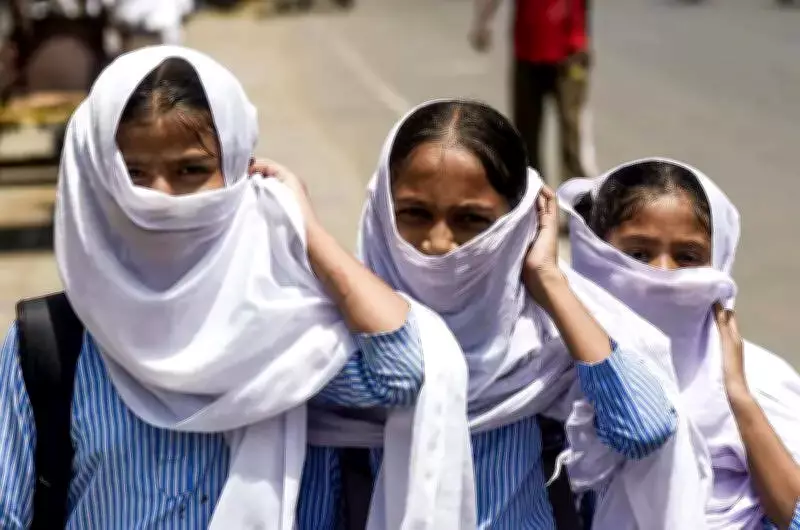
A new study by research-based consultancy Climate Trends, released on Friday and based on Indian Meteorological Department (IMD) data, reveals that India's heat crisis is becoming more relentless, humid, and harder to escape. The analysis shows that heatwaves are not only searing during afternoons but also extending into uncomfortably warm nights, making summers increasingly hazardous.
Key Findings on Heatwave Trends
The study indicates that between 1961 and 2020, the frequency of heatwaves across India's core heatwave zone (CHZ) has increased by 0.1 days per decade. The duration of these heatwaves has grown by 0.44 days per decade, while the maximum duration has risen by 0.55 days per decade. All these trends are statistically significant. Severe heatwaves have also shown an uptick in frequency, total number, and maximum duration within the CHZ.
Rising Night Temperatures and Humidity
Average night-time temperatures across India are climbing by approximately 0.21°C every decade, with all 35 states and union territories exhibiting a warming trend. This is compounded by rising humidity levels: average relative humidity increased from 67.1% in 2015–2019 to 71.2% in 2020–2024. As human-induced climate change pushes baseline temperatures higher, heatwaves now start from a hotter base and peak at more extreme levels.

Core Heatwave Zone and Current Conditions
The core heatwave zone covers Punjab, Haryana, Himachal Pradesh, Uttarakhand, Delhi, Rajasthan, Uttar Pradesh, Gujarat, Madhya Pradesh, Chhattisgarh, Bihar, Jharkhand, West Bengal, Odisha, and Telangana. Meteorologists attribute the ongoing conditions to unabated hot north-westerly winds from the desert region across Rajasthan, Punjab, Haryana, and into central India. Minimum temperatures have been settling above average, with most night temperatures in the late 20s Celsius and some stations reaching 30°C. According to the World Health Organization (WHO) Housing and Health Guidelines, indoor air temperatures should not consistently exceed 24°C to prevent heat-related health risks, cardiovascular strain, and autonomic disruption during sleep.
Global Context and Expert Commentary
The World Meteorological Organization (WMO) reports that 2025 was among the three warmest years on record globally, with temperatures nearly 1.44°C above pre-industrial levels. The past 11 years (2015–2025) are the warmest in all eight datasets. Aarti Khosla, founder and director of Climate Trends, stated: "India's heat waves are no longer being driven by temperature alone. What we are witnessing today is a dangerous convergence of rising temperatures, warmer nights, increasing humidity, and rapid urbanisation, all of which are amplifying heat stress across the country. Heat is becoming more prolonged, more humid, and increasingly difficult to escape, especially for vulnerable communities and outdoor workers. These changing weather patterns are a stark reminder that climate change is now reshaping how heat is experienced in India, turning it into a major public health, economic, and development challenge."






