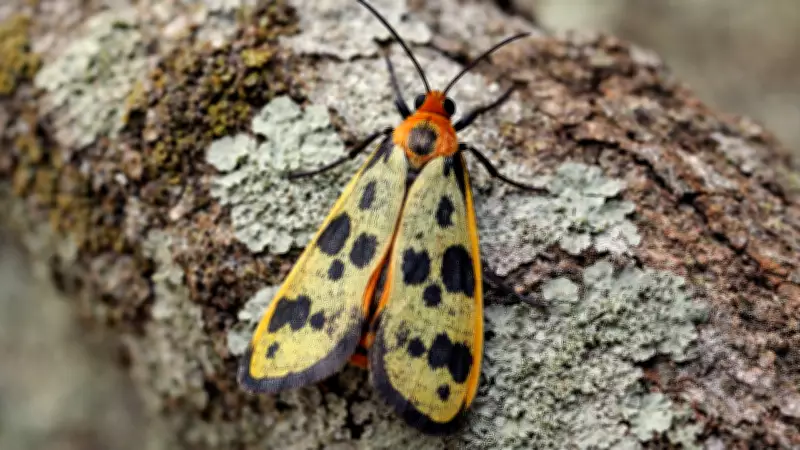
India Discovers Two New Lichen Moth Species in Himalayan Biodiversity Hotspots
Union Environment Minister Bhupender Yadav announced on Saturday that scientists from the Zoological Survey of India (ZSI) have made a significant breakthrough by discovering two previously unknown species of lichen moths. In a post on social media platform X, the minister emphasized that this finding represents a vital contribution to the documentation of India's moth biodiversity and underscores the urgent need for continued taxonomic research in critical biodiversity hotspots such as the Himalayas.
Scientific Publication and Additional Discoveries
The groundbreaking research has been published in the prestigious international taxonomic journal Zootaxa. The same publication also records seven new species of lichen from India, marking a comprehensive advancement in the understanding of the region's ecological diversity. This dual discovery highlights the rich and often undocumented biological wealth present in India's unique ecosystems.
Expert Insights on Ecological Importance
Dhriti Banerjee, Director of the Zoological Survey of India, praised the meticulous work of the research team. She explained that detailed studies on lesser-known groups like Lepidoptera (which includes moths and butterflies) are absolutely crucial for comprehending ecosystem functioning. Banerjee specifically noted that these newly discovered moths serve as important indicator species for monitoring air pollution levels in the sensitive environment of the Indian Himalaya, as reported by the news agency PTI.

Identification and Distinctive Characteristics
The research team successfully identified the two new moth species:
- Caulocera hollowayi (S. Singh, N. Singh & Bhattacharya, 2026) was collected from specimens near Golitar in Sikkim.
- Asura buxa (Bhattacharya, S. Singh & N. Singh, 2026) was identified from specimens gathered near Panijhora in West Bengal.
According to the detailed analysis by the researchers, these species are distinguished by several unique morphological features:
- Specific arrangements of body scales and specialized chaetotaxy (bristle patterns).
- Distinctive external morphological characteristics, including specific wing colorations and fascia arrangements.
- Notable differences in external genitalic structures, such as the uncus, valva, tegumen, juxta, and aedeagus.
Broader Implications for Conservation and Research
This discovery not only adds to the taxonomic records of India but also reinforces the critical role of specialized research in biodiversity conservation. The identification of these moths as air pollution indicators provides scientists with a new biological tool for assessing environmental health in the fragile Himalayan region. The findings advocate for increased investment and focus on systematic biological surveys and taxonomic studies across India's diverse ecological landscapes to uncover and protect its hidden biological treasures.