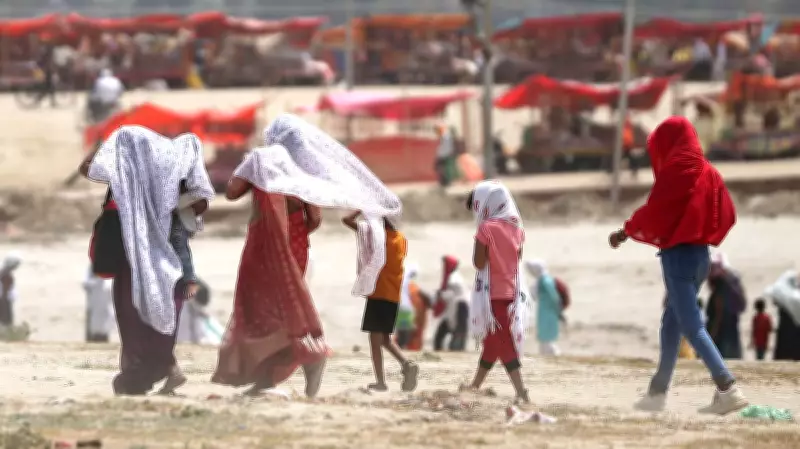
IMD Issues Warning for Heightened Heatwave Activity Across Multiple Indian Regions
The India Meteorological Department (IMD) has released a significant weather forecast indicating that several key regions of the country are likely to experience a greater number of heatwave days than what is typically observed during the season. This prediction covers East, Central, and Northwest India, areas that are already prone to high temperatures and arid conditions.
Detailed Regional Forecast and Meteorological Insights
According to the latest analysis from the IMD, meteorological models and historical data suggest an anomalous increase in heatwave occurrences. A heatwave is officially defined by the IMD as a period when the maximum temperature of a station reaches at least 40°C in the plains, 37°C in coastal areas, and 30°C in hilly regions, with a departure from normal of 4.5°C to 6.4°C. The forecast highlights that these conditions are expected to be more frequent and intense in the specified regions, potentially extending the duration of heat-related discomfort and risks.
East India, including states like West Bengal, Odisha, and parts of Jharkhand, is projected to face elevated heat levels. Similarly, Central India, encompassing Madhya Pradesh, Chhattisgarh, and Maharashtra, may witness prolonged spells of extreme heat. In Northwest India, which includes Rajasthan, Haryana, Delhi, and Uttar Pradesh, the IMD anticipates a surge in heatwave days, exacerbating the already challenging summer climate.

Potential Impacts on Public Health and Agricultural Sectors
The increased frequency of heatwaves poses serious threats to public health, with risks of heatstroke, dehydration, and other heat-related illnesses rising significantly. Vulnerable populations, such as the elderly, children, and outdoor workers, are particularly at risk. Health authorities are advised to issue advisories and prepare emergency response plans to mitigate these effects.
From an agricultural perspective, the forecast raises concerns about crop yields and water resources. Extended heatwaves can lead to soil moisture depletion, affecting kharif crops and increasing irrigation demands. Farmers may need to adopt adaptive measures, such as adjusting sowing schedules and utilizing drought-resistant varieties, to safeguard their livelihoods.
Broader Climate Context and Preparedness Measures
This forecast aligns with broader global and national trends of rising temperatures and changing weather patterns, often linked to climate change. The IMD emphasizes the importance of proactive measures, including public awareness campaigns on heat safety, urban planning to reduce heat island effects, and enhanced monitoring of weather conditions.
Local administrations in the affected regions are urged to implement heat action plans, which typically involve setting up cooling centers, ensuring adequate water supply, and regulating outdoor activities during peak heat hours. Collaboration between meteorological agencies, health departments, and disaster management authorities will be crucial in minimizing the adverse impacts of the predicted heatwaves.
As the summer progresses, the IMD plans to provide regular updates and refine its forecasts based on real-time data. Citizens are encouraged to stay informed through official channels and take necessary precautions to protect themselves and their communities from the impending heat challenges.