

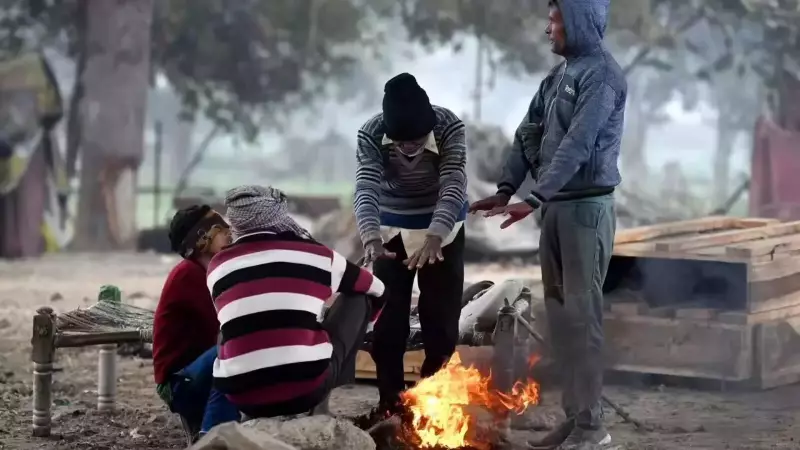
The India Meteorological Department (IMD) has issued a significant seasonal outlook, predicting a notably colder winter for large parts of the country. According to the forecast released on Monday, the three-month winter season from December 2025 to February 2026 is likely to bring below-normal temperatures and an increased number of cold wave days across several key regions.
Regions Bracing for a Sharper Chill
The IMD's forecast highlights that central India, including Madhya Pradesh, east and southeast Rajasthan, north and east Maharashtra, parts of Gujarat, and south Uttar Pradesh, will experience colder conditions. This chill is also expected to grip adjoining northwest India (Punjab, Haryana, Delhi, and west UP) and peninsular regions like Telangana. Both day and night temperatures are projected to fall below normal levels in these areas.
Typically, these states witness between 4 to 6 cold wave days during the December-February period. However, this upcoming season, the IMD anticipates the total to rise to 8 to 11 cold wave days. Parts of northeast India may also see additional days of cold wave conditions. A cold wave is declared when the minimum temperature dips to 10 degrees Celsius or lower in plains, or 0 degrees or lower in hilly areas, or when the temperature departure from normal is between 4.5 to 6.4 degrees Celsius.

Health, Travel, and Economic Impacts
The weather office has underscored the serious implications of such prolonged cold spells. Above-normal cold wave conditions elevate health risks for vulnerable populations, such as the elderly, children, and those with pre-existing medical conditions. The IMD also warned of potential disruptions to daily life and the economy.
"Early morning fog could reduce visibility and disrupt road, rail, and air transportation, while stagnant atmospheric conditions may further deteriorate air quality in some urban areas," the department stated. It further pointed out that weather-sensitive sectors like agriculture, horticulture, and daily-wage labour may face operational challenges during extended cold periods.
Detailed Monthly Outlook and Early Signs
Delving deeper into the monthly breakdown, the IMD indicated that December 2025 alone could see 1 to 3 additional cold wave days in the affected states. This translates to a potential extension of cold wave conditions to between 3 and 6 days during the month. IMD Director General Mrutyunjay Mohapatra, while releasing the outlook, clarified the broader pattern: "During the upcoming winter season, normal to below-normal minimum temperatures are likely over most parts of central India and adjoining peninsular and northwest India."
He added a note on daytime trends, saying, "However, some regions, including parts of northwest India, northeast India, and areas along the foothills of the Himalayas are likely to experience above-normal maximum temperatures."
Interestingly, an early spell of cold to severe cold wave conditions was already observed this year at isolated pockets over west, central, and adjoining east India between November 8 and 18. Areas affected included northeast Rajasthan, south Haryana, north Madhya Pradesh, south UP, north Chhattisgarh, and north interior Maharashtra.
In light of the forecast, the Met department has advised authorities to maintain a state of heightened preparedness. It urged both the public and concerned agencies to regularly monitor the Impact-Based Forecast (IBF) issued through IMD’s daily early-warning services for timely updates and necessary action.






