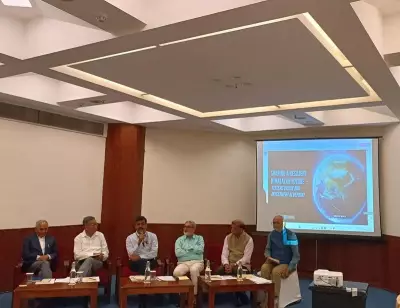
The India Meteorological Department (IMD) has predicted a notably colder winter season for large parts of the country, warning of below-normal temperatures and an increased number of cold wave days from December 2025 to February 2026. The forecast, released on Monday, indicates significant deviations from typical winter patterns, with central and northwestern regions expected to bear the brunt of the chill.
Regions in Focus: Where the Chill Will Bite Hardest
According to the IMD's seasonal outlook, central India—including Madhya Pradesh, north and east Maharashtra, and parts of Gujarat—is likely to experience below-normal day and night temperatures. This cold spell is also expected to extend into adjoining northwest India, covering Punjab, Haryana, Delhi, east and southeast Rajasthan, and west and south Uttar Pradesh. Peninsular regions like Telangana are also included in this forecast for a colder-than-usual season.
The most striking prediction is the increase in cold wave days. These regions typically witness 4 to 6 cold wave days between December and February. This winter, the IMD forecasts a total of 8 to 11 cold wave days, which is almost double the normal occurrence. Parts of northeast India may also see additional cold wave days. For December alone, most of these states are likely to have below-normal temperatures with one to three extra cold wave days, leading to a potential 3 to 6 cold wave days in the month.

Early Onset and Health Advisory
The department noted that the season's first spell of cold-to-severe-cold wave conditions began early this year, observed at isolated pockets over west, central, and adjoining east India. Specific instances were recorded in northeast Rajasthan, south Haryana, north Madhya Pradesh, south UP, and north Chhattisgarh between November 8 and 18, and over north interior Maharashtra on November 15 and 20.
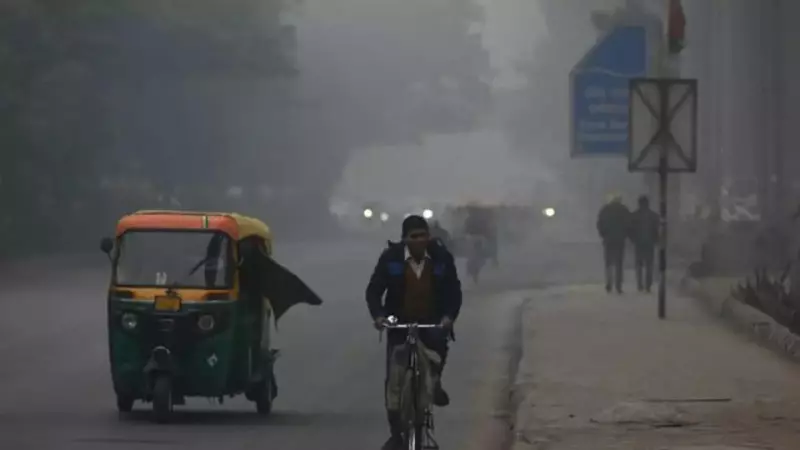
IMD Director General Mrutyunjay Mohapatra highlighted the associated risks. "Above-normal cold wave conditions may increase health risks for vulnerable groups, including senior citizens, children, and individuals with underlying medical conditions," the IMD stated. The department also warned that early morning fog could reduce visibility, disrupting road, rail, and air transportation, while stagnant air might worsen urban air quality.
Contrasting Trends and Official Advisory
In a contrasting trend, the IMD forecast indicates that parts of northwest India, northeast India, and areas along the foothills of the Himalayas are likely to experience above-normal maximum (day) temperatures during the same winter period. This creates a scenario of colder nights but potentially warmer days in some zones.
Releasing the outlook, Mohapatra confirmed, "The occurrence of cold waves during Dec is likely to be above normal over parts of northwest, central and northeast India." The Met department has advised authorities to maintain heightened preparedness. It emphasized the need for the public and concerned agencies to regularly monitor the impact-based forecasts issued through IMD's daily early-warning services for timely updates and planning.
The forecast also pointed out potential challenges for weather-sensitive sectors. Extended cold spells could pose operational difficulties for agriculture, horticulture, and daily-wage labour, affecting livelihoods and economic activity in the predicted regions.