IMD Predicts Normal Summer Temperatures but Extended Heatwaves in Eastern and Coastal India
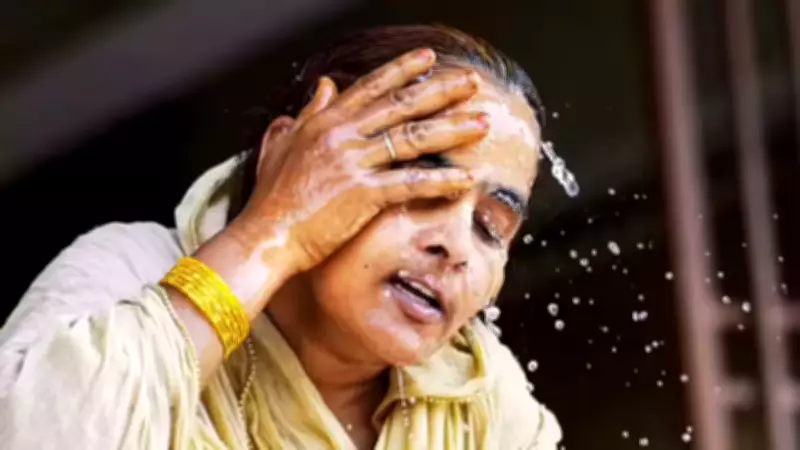
The India Meteorological Department (IMD) announced on Tuesday that while many parts of the country are expected to experience normal to below-normal maximum temperatures during the April-June summer season, several regions in east, northeast, and coastal Peninsular India may face an extended duration of heatwaves. According to the seasonal outlook, these areas could see two to eight additional days of heatwave conditions compared to the usual pattern.
States at High Risk for Above-Normal Heatwave Days
IMD's chief, Mrutyunjay Mohapatra, highlighted specific states where above-normal heatwave days are anticipated. Rajasthan, Gujarat, Haryana, Punjab, Maharashtra, Uttar Pradesh, Bihar, Jharkhand, West Bengal, Odisha, Chhattisgarh, Telangana, Andhra Pradesh, Coastal Tamil Nadu, and northern parts of Karnataka are all likely to experience increased heatwave activity from April to June. The forecast map released by the Met department indicates that even Delhi-NCR may see additional heatwave days, though these are most probable in May and June.
This timing is attributed to expected above-normal rainfall in April across many parts of India, including the northwest, due to prevailing and predicted western disturbances. Typically, heatwaves are declared when the maximum temperature at a weather station reaches at least 40 degrees Celsius in plains or 30 degrees Celsius in hilly regions. During the April-June period, many plains areas normally experience three to five days of heatwave conditions.

Warmer Nights Expected Across Most of India
Despite the prediction of normal to below-normal day temperatures for most regions, the IMD notes that warmer nights are likely. "During the season (April-June), above-normal minimum (night) temperatures are likely over most parts of the country except some regions of Maharashtra and Telangana where normal to below normal minimum temperatures are likely," stated Mohapatra. This contrast between day and night temperatures could impact public health and energy consumption.
Monsoon Outlook and El Niño Conditions
While the IMD chief refrained from commenting on the monsoon season at this stage, forecasts from the Monsoon Mission Climate Forecast System (MMCFS) suggest that El Niño–Southern Oscillation (ENSO) neutral conditions are most likely to persist from April to June. "Thereafter, the probability of development of El Niño conditions increases gradually," the IMD indicated, hinting at potential adverse effects on rainfall during the later part of the monsoon season in August and September. The IMD is expected to release its first-stage forecast for this year's monsoon rainfall around mid-April.
Recent Weather Events and Western Disturbances
In March, extreme weather events led to 45 human deaths across various states, with lightning causing 32 fatalities in Uttar Pradesh, Bihar, Jharkhand, Haryana, Karnataka, Maharashtra, Assam, Chhattisgarh, and Kerala. Mohapatra noted that eight Western Disturbances (WDs) impacted India during March, exceeding the normal range of five to six. Six of these WDs affected northwest India from March 11 to 31, resulting in light to moderate rains accompanied by thunderstorms, lightning, gusty winds, and hailstorms over northwest and adjoining central regions.
The large-scale thunderstorm activity, primarily in the second half of March, contributed to a reduction in maximum temperatures across most parts of India. This recent weather pattern underscores the variability and challenges in predicting seasonal trends, as highlighted by the IMD's latest forecasts.