Landmark Rohingya Genocide Case Reaches International Court of Justice
The International Court of Justice has finally begun hearings on a landmark case concerning Myanmar's treatment of the Rohingya people. Gambia initiated these proceedings on January 12, focusing on military "clearance operations" that forced over 700,000 Rohingya to flee to Bangladesh.
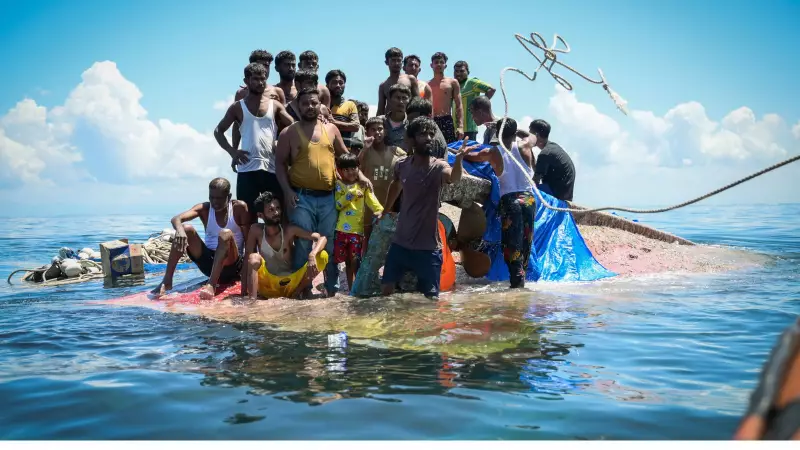
These refugees now live in sprawling, overcrowded camps. Reports detail horrific crimes during these operations, including mass murder, systematic rape, and the burning of villages with people trapped inside. Multiple international investigations have already labeled these actions as genocidal.
How Gambia Can Bring Myanmar to Court
The Genocide Convention provides a unique mechanism for international accountability. Adopted after World War II to prevent atrocities like the Holocaust, this treaty makes genocide a crime under international law.

Most importantly, the Convention allows any member state to bring a case against another, even without direct involvement in the conflict. This explains how Gambia, a West African nation, can challenge Myanmar at the ICJ despite geographical distance from the Rohingya crisis.
The treaty imposes positive obligations on states to prevent genocide. Countries become accountable for violations regardless of whether they are directly affected by the atrocities.
Proving Genocidal Intent: The Core Challenge
This case presents a crucial opportunity for the ICJ to clarify standards for proving genocidal intent. The court's 2007 ruling in Bosnia and Herzegovina v Serbia and Montenegro established important precedents that may guide this current proceeding.
In that earlier case, the ICJ recognized that large-scale forced displacement combined with killings, home destruction, and systematic targeting of a protected group could constitute evidence of genocidal intent. The court explicitly stated that such intent might be inferred from patterns of conduct rather than explicit orders.
"Genocidal intent may be inferred from a pattern of conduct where acts such as village destruction, terrorisation of civilians, and expulsion collectively demonstrate an intention to destroy the group's ability to exist within a given territory," the court ruled.
However, proving specific intent remains challenging. The 2015 Croatia v Serbia case reaffirmed that genocide has a very high evidentiary threshold. Croatia failed to prove the required specific intent despite evidence of serious crimes during the Yugoslav wars.
Broader Implications for International Justice
At a time of increasing global conflicts, this case could establish new accountability standards. Modern conflicts rarely produce documented direct orders, but often reveal stark patterns of violence that may indicate genocidal intent.
The ICJ's decision will have far-reaching consequences beyond Myanmar. National courts dealing with Rohingya refugees would gain stronger legal basis to recognize them as genocide victims if the ICJ finds Myanmar breached the Genocide Convention.
This would influence numerous legal areas:
- Asylum decisions for Rohingya refugees
- Non-refoulement protections against forced return
- Complementary protection under international law
- States' obligations under refugee and human rights treaties
Parallel Cases and Global Context
The Rohingya case assumes heightened importance alongside other genocide claims moving through international courts. Most notably, South Africa's application against Israel raises similar questions about intent, proportionality, and state responsibility under the Genocide Convention.
For the Rohingya people, this legal battle represents more than just another court proceeding. It is a struggle for recognition in a world where they have faced repeated atrocities with little accountability. Many Rohingya feel trapped in a cycle of violence and impunity, with their suffering often overlooked or minimized internationally.
The ICJ hearings, which began in January 2026, may finally provide the legal clarity needed to break this cycle and establish clearer standards for proving genocide in the modern era.