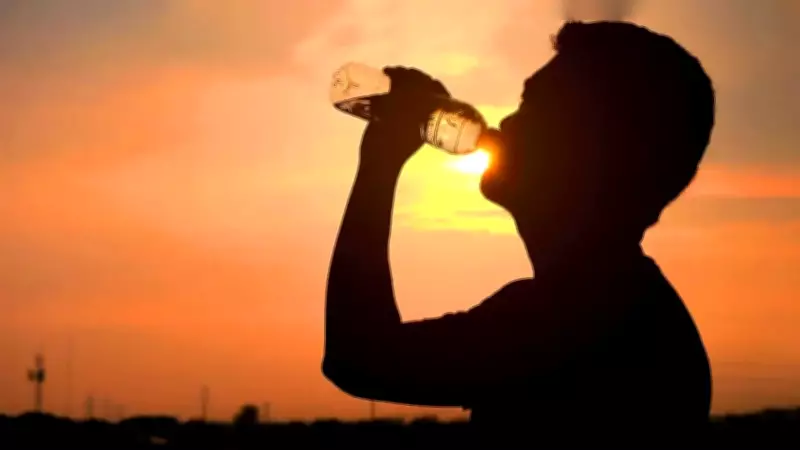
Summer has arrived early and with a vengeance. Across India and the globe, 2026 is already smashing temperature records, with triple-digit heat striking weeks before the usual scorching season. This year brings longer and fiercer heatwaves, and experts warn this is just the beginning.
It is easy to dismiss a heatwave as merely uncomfortable. Sticky shirts and sleepless nights are familiar to many. However, extreme heat is more than sweat and irritability. It can quietly wear down the body, leading to dehydration, heat exhaustion, kidney problems, heart issues, and in severe cases, life-threatening heatstroke.
Doctors call heatwaves a "silent killer" for a reason. The danger often creeps up unnoticed. You might feel extra tired, weak, or dizzy, attributing it to a poor night's sleep or a busy week. Ignoring these signals can quickly turn dangerous.

Some groups are at higher risk: young children, older adults, pregnant women, individuals with health conditions such as diabetes, heart disease, or kidney trouble, and those who work or exercise outdoors. However, anyone can fall victim if they push too hard without adequate water or shade.
The good news is that most heat-related health problems are easily preventable. By knowing what to watch for and acting quickly, you can keep yourself and your loved ones safe. Let us break down what heat stress looks like, how to prevent it, and when to seek serious help.
What Happens When Excessive Heat Hits Your Body?
Heat illness progresses in stages. It begins with heat stress, the body's first signal that it is struggling to cool down. Sweating is the main defense, but when the air is hot and humid, it is not enough. You lose more water and salt than you take in, and warning signs soon appear.
Initially, you may feel extremely tired, experience headaches, dizziness, muscle cramps, heavy sweating, extreme thirst, or nausea. Reduced urination or dark yellow urine are glaring red flags for dehydration. According to the World Health Organization, dizziness, nausea, and confusion are key signs to take seriously.
At the first sign of trouble, do not wait. Get out of the heat, find shade or go indoors, sit down, loosen your clothes, and sip water or a rehydration drink.
If you ignore these warning signals, the condition can worsen rapidly. Next comes heat exhaustion, characterized by heavier sweating, pale or clammy skin, dizziness, a pounding heartbeat, difficulty focusing, nausea, possible vomiting, and an overwhelming urge to lie down.
Cooling down becomes urgent at this stage. Take cold showers, apply wet towels to your neck and wrists, use fans, rest in a cool spot, and drink fluids with a little salt, such as ORS, coconut water with salt, or lemonade. Act calmly but with urgency.
The final and deadly stage is heatstroke. The body can no longer cool down, and the situation becomes critical, sometimes within minutes. Symptoms include confusion, fainting, flushed hot skin, a pounding pulse, and possibly a lack of sweating. If someone collapses after being in the heat or starts acting strangely, it is an emergency.
Call for medical help immediately. While waiting, get the person out of the heat, cool them down with water, fans, and wet towels. Lay them flat and do not attempt to give them fluids if they are confused or unconscious.
Heatwave Aftereffect: The Dos and Don'ts
It is always better to avoid emergencies in the first place. Hydration is the number one rule. Do not wait until you are thirsty, as that may be too late. Drink small amounts often, especially when outdoors. Monitor your urine color: pale yellow is good, darker shades indicate a need for more water. Avoid alcohol and limit caffeine in the heat, as both dehydrate you.
Watch your schedule. Stay indoors between noon and 4 PM when the sun is strongest. If you must be outside, do so early or late in the day and take frequent breaks.
Dress appropriately. Loose, light-colored clothing is best during hot summers. Organic cotton is preferable to synthetic fabrics. Hats and umbrellas provide additional protection. Dark, heavy, or tight clothes can trap heat and cause discomfort. Always wear sunscreen and keep it handy when stepping out.

At home, stay cool by shutting curtains against the sun, using fans, and taking cool showers. If conditions become unbearable and you lack air conditioning, seek out air-conditioned spaces such as libraries, malls, or community cooling centers.
Do not forget those who need extra help. Older adults may not realize they are dehydrated, young children lose water quickly, and pregnant women have a harder time regulating heat. Check in on them and on anyone living alone.
The bottom line is that heatwaves are now a reality we must prepare for. Do not wait for disaster; develop habits of drinking water, taking breaks, and recognizing warning signs before they become serious. Sometimes fatigue is not just from being busy; it is your body telling you to slow down and cool off. Listen to it. It could save your life.