Middle East Conflict Casts Shadow Over Ramazan Shopping in Bhopal
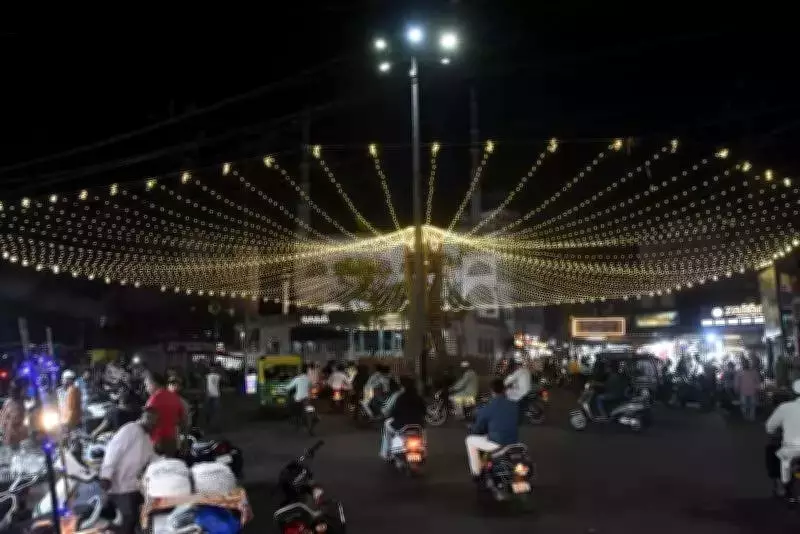
The escalating tensions in the Middle East have significantly impacted the festive spirit of Ramazan shopping in Bhopal's historic Chowk Bazaar. While the market remains beautifully illuminated with traditional lights, the usual bustling crowds and enthusiastic spending have noticeably diminished this season.
Economic Uncertainty Dampens Festive Spending
Families continue to visit the market with their traditional enthusiasm for the holy month, but many are exercising caution with their expenditures. Shopkeepers report that despite fully stocked stalls, customer footfall has been significantly lower than anticipated. "The stalls are full, but customers are far and few between," remarked one shopkeeper. "People are genuinely uneasy about what lies ahead economically and politically."
Remittance Dependency Amplifies Local Impact
One of the most pronounced effects has been on households that depend on remittances from relatives working in Gulf countries. According to the Reserve Bank of India's 2023–24 survey, Madhya Pradesh received approximately 0.9% of India's total inward remittances, amounting to roughly Rs 6,600 crore. This represents a substantial increase from pandemic years and underscores the critical role these funds play in local economies.

For many Bhopal families, remittances are not merely financial statistics but essential components of household planning, particularly during festivals like Ramazan. A significant population from the city has established multi-generational connections to the Middle East, with second and even third generations continuing the tradition of working abroad. In neighborhoods such as Koh-e-Fiza, the Gulf is not a distant concept but an integral part of daily life, making regional conflicts directly relevant to local kitchens and markets.
Market Sentiment Reflects Broader Concerns
Cloth merchants have particularly felt the strain of reduced spending. Vinod Agarwal of the Girdhari Lal Kanhaiya Lal store observed, "The market has been exceptionally dull, far more than we anticipated for this Ramazan season." A dry fruit vendor echoed this sentiment, noting, "There has been a definite shift in consumer mood over the past week. Most customers are holding back on purchases they would normally make without hesitation."
Tailor Asif provided additional context about the financial realities facing Gulf workers and their families: "People often assume that working abroad guarantees substantial wealth, but the reality is that most savings have been depleted. Even flight tickets have become prohibitively expensive, adding to the financial pressure."
Household Adjustments and Future Concerns
Women shoppers have also adapted their purchasing strategies in response to the uncertainty. Mumtaz, a mother of three, explained her family's approach: "With so much instability in the region, it feels wiser to prioritize saving and avoid unnecessary expenditures on non-essential items."
The overall atmosphere in Chowk Bazaar reflects these broader concerns. Crowds are noticeably thinner than in previous Ramazan seasons, and conversations in Bhopal's traditional patiyas have shifted focus from typical topics like cricket and kebabs to discussions about the Middle East conflict. Many residents fear that the economic consequences could extend longer than initially anticipated, with unskilled workers potentially bearing the brunt of any resulting economic adjustments.
As the conflict continues into its twelfth day with reports of intensified strikes and attacks across the region, including incidents affecting Indian businesses abroad, the connection between global events and local market dynamics in Bhopal has never been more apparent. The festive lights of Chowk Bazaar continue to glow, but beneath them lies a community navigating the complex interplay between tradition, celebration, and global uncertainty.