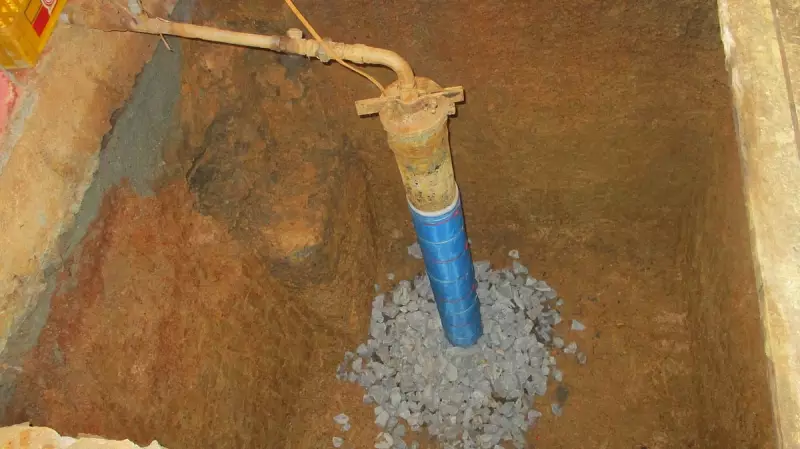
A recent government report has raised serious alarms about the unsustainable depletion of groundwater resources in the southern state of Karnataka. The findings highlight a critical environmental challenge that could threaten water security for millions.
Five Districts Identified as High-Risk Zones
The Annual Groundwater Quality Report for 2025 has pinpointed five districts where large-scale, unchecked extraction is occurring at an alarming rate. According to the report, the districts of Kolar, Bengaluru Urban, Chikkaballapur, Bengaluru Rural, and Chitradurga are the most affected. The data, compiled by state authorities, indicates that water withdrawal in these regions far exceeds the natural recharge capacity of aquifers.
The report, which was made public on 01 December 2025, serves as an official confirmation of the worsening water stress in parts of the state. It underscores a pattern of over-exploitation driven by a combination of factors including agricultural demand, rapid urbanisation, and inadequate rainwater harvesting.

What the Groundwater Report Reveals
The comprehensive assessment details how intensive extraction for irrigation, industrial use, and domestic supply has led to a significant drop in water tables. This is particularly concerning for districts like Kolar and Chikkaballapur, which are not only agriculturally intensive but also have limited perennial water sources.
For the bustling metropolitan region of Bengaluru Urban and its surrounding rural areas, the findings point to the immense pressure exerted by the city's growing population and infrastructural expansion. The report suggests that without immediate intervention and stricter regulation of borewells, the situation could escalate into a severe crisis.
Implications and the Path Forward
The consequences of continued groundwater overuse are dire and multifaceted. They include:
- Long-term water scarcity for communities and farmers.
- Increased energy costs for pumping water from greater depths.
- Deterioration of groundwater quality due to the concentration of contaminants.
- Land subsidence or sinking in extreme cases.
Environmental experts and the report itself advocate for a multi-pronged strategy to address the issue. Key recommendations likely include promoting efficient micro-irrigation techniques in agriculture, mandating rainwater harvesting structures in all new buildings, and implementing robust monitoring of extraction levels. Public awareness campaigns to conserve water are also seen as crucial.
The Karnataka groundwater report 2025 acts as a stark warning. It calls for urgent policy action and community participation to ensure sustainable management of this vital resource before the wells run dry.