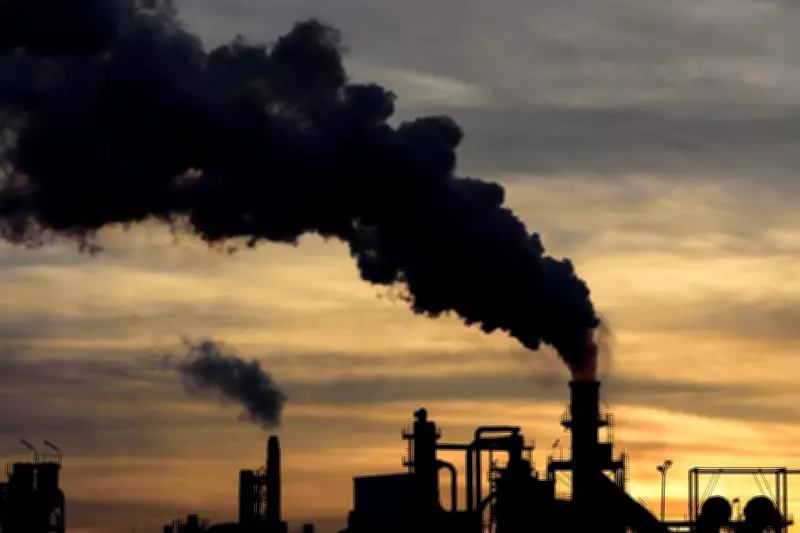
The Graded Response Action Plan (GRAP) is a comprehensive framework designed to combat air pollution in the Delhi-National Capital Region (NCR). It operates through a multi-stage approach that escalates measures based on the severity of air quality, as measured by the Air Quality Index (AQI).
Understanding GRAP's Stages
GRAP is divided into four stages, each corresponding to a specific AQI range. Stage I is activated when the AQI is between 201 and 300 (Poor), Stage II for AQI 301-400 (Very Poor), Stage III for AQI 401-450 (Severe), and Stage IV for AQI above 450 (Severe Plus).
Stage I: Poor Air Quality (AQI 201-300)
This stage focuses on preventive actions. Measures include strict enforcement of emission norms, ban on coal and firewood in hotels and restaurants, and mechanized sweeping of roads. Construction and demolition activities are monitored, and diesel generators are restricted in non-emergency services.

Stage II: Very Poor Air Quality (AQI 301-400)
Additional measures are introduced, such as increasing the frequency of public transport, enhancing parking fees to discourage private vehicle use, and intensifying anti-smog gun operations. Industrial units using coal or biomass are shut down in identified areas.
Stage III: Severe Air Quality (AQI 401-450)
This stage imposes stricter restrictions. All construction and demolition activities are banned, except for essential projects like railways and metros. Schools may be closed or shifted to online classes. The frequency of CNG and electric buses is increased.
Stage IV: Severe Plus Air Quality (AQI > 450)
Emergency measures are implemented. A ban on entry of trucks into Delhi (except those carrying essential goods) is enforced. Industries operating on non-clean fuels are shut down. Work from home is recommended for 50% of employees in public and private offices. Odd-even vehicle rationing may be introduced.
Implementation and Monitoring
The Commission for Air Quality Management (CAQM) oversees GRAP implementation. It coordinates with state governments, pollution control boards, and other agencies. Real-time monitoring of AQI and compliance checks are conducted. Violations attract penalties under the Air (Prevention and Control of Pollution) Act, 1981.
Effectiveness and Challenges
GRAP has led to some improvement in air quality during severe episodes, but its effectiveness is limited by factors like stubble burning, vehicle emissions, and meteorological conditions. Enforcement remains a challenge due to the large geographical area and multiple stakeholders. Public cooperation is crucial for success.
In conclusion, GRAP's multi-stage approach provides a structured response to air pollution, but sustained efforts are needed to address the root causes and improve long-term air quality in Delhi-NCR.