

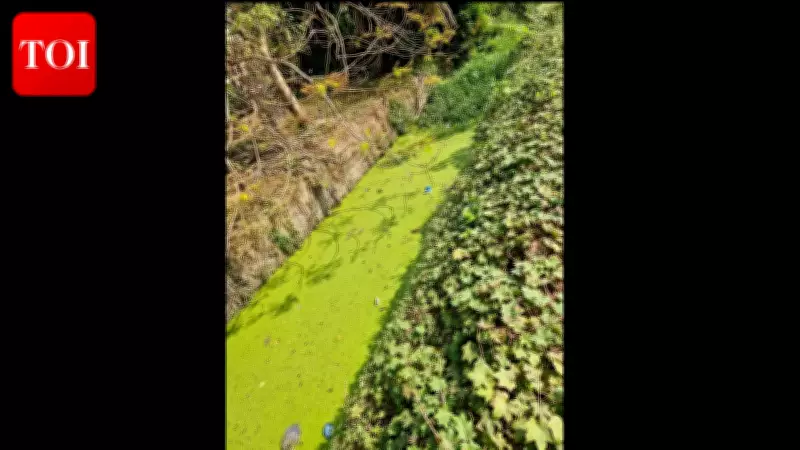
Sal River in Goa Faces Ecological Collapse with Zero Oxygen Levels and Widespread Pollution
In a stark revelation, the Sal River in Goa is experiencing an alarming ecological decline, with recent data and ground inspections exposing critical issues such as zero oxygen levels in parts, rampant sewage discharge, and unchecked dumping of fish waste. Water Resources Minister Subhash Shirodkar has ordered a systematic clean-up and restoration effort, emphasizing the urgency of halting direct sewage inflow to protect this vital waterway.
Minister's Directive and the River's Critical State
Following an inspection last week, Minister Subhash Shirodkar directed officials to take immediate action, stressing that stopping direct sewage inflow must be a top priority. He referred to the Sal River as the "lifeline of Salcete," highlighting that restoring its health will require both administrative measures and active public participation. However, official water quality data for 2025, tabled in the House during the recently concluded assembly session, paints a far more troubling picture of the river's condition.
Alarming Water Quality Data Points to Near-Total Collapse
The data reveals that in the lower stretches of the Sal River, dissolved oxygen (DO) levels—essential for sustaining aquatic life—dropped to below detectable levels for five consecutive months at one monitoring point. According to Central Pollution Control Board norms, rivers designated for drinking water use with treatment require a minimum DO of 6mg/l. Experts warn that such readings indicate a near-total collapse of aquatic conditions, typically caused by heavy inflows of untreated sewage and decomposing organic waste.

Additionally, biochemical oxygen demand (BOD), another key indicator of pollution, remained above safe limits during this period, peaking at 6 mg/l. This suggests sustained organic pollution is overwhelming the river's natural capacity to recover, further exacerbating the ecological crisis.
Ground Inspections Confirm Widespread Contamination
Ground-level inspections by the Goa State Pollution Control Board (GSPCB) corroborate the alarming data. At the SGPDA wholesale fish market in Margao, untreated wastewater from trucks and fish-handling areas was found flowing directly into storm water drains connected to the river. Observations included trucks discharging waste with valves left open, along with littering of fish remains, plastic, and thermocol boxes in nearby areas. The market's proximity to the river significantly raises the risk of direct contamination.
Multiple sewage leak points have compounded the crisis. Near the South Goa District Hospital, an overflowing manhole was discovered spilling sewage into surrounding fields, accompanied by foul odours and reports of dead fish. In Fatorda, signs of recent sewage discharge into a freshwater nullah—such as sludge deposits and discoloured water—point to ongoing contamination. Farmers have expressed concerns that polluted water is entering agricultural lands, potentially threatening crop safety.
Deteriorating Water Clarity and Localized Pollution Sources
Water clarity has also deteriorated significantly, with turbidity levels reaching 79.7NTU, nearly three times the permissible limit. While monsoon flows temporarily dilute pollution, they also bring silt and runoff. In the dry months, reduced flow concentrates pollutants, worsening the crisis. Not all stretches of the river are equally affected; midstream areas like Panzorconi remain relatively stable, while downstream zones show severe degradation, indicating localized pollution sources are a major contributor.
Poor Compliance and Calls for Immediate Action
The GSPCB has observed that despite earlier directives to install and maintain effluent treatment systems and halt illegal discharge, compliance has remained poor across several inspections. The board has called for immediate corrective action, urging:

- Proper functioning of effluent treatment systems
- Strict enforcement against illegal waste disposal
- Regular clearance of fish and solid waste at the SGPDA market
The Margao Municipal Council and other planning authorities have been asked to take ownership of drainage and sewage management failures identified during the inspections. Experts warn that without swift, coordinated enforcement, the ecological damage to the Sal River risks becoming irreversible, threatening both environmental and public health in the region.





