Indian Captain's Desperate SOS: 20,000 Sailors Trapped in Persian Gulf War Zone
KULLU: The serene starry nights that once graced the decks of merchant vessels have been brutally replaced by 24-hour anxious watches for incoming missiles and drones. Sailors are now counting down seconds rather than days, their nerves stretched as taut as the anchor lines holding their ships in a perilous, uncertain wait.
Life in the Crossfire: A Captain's Terrifying Account
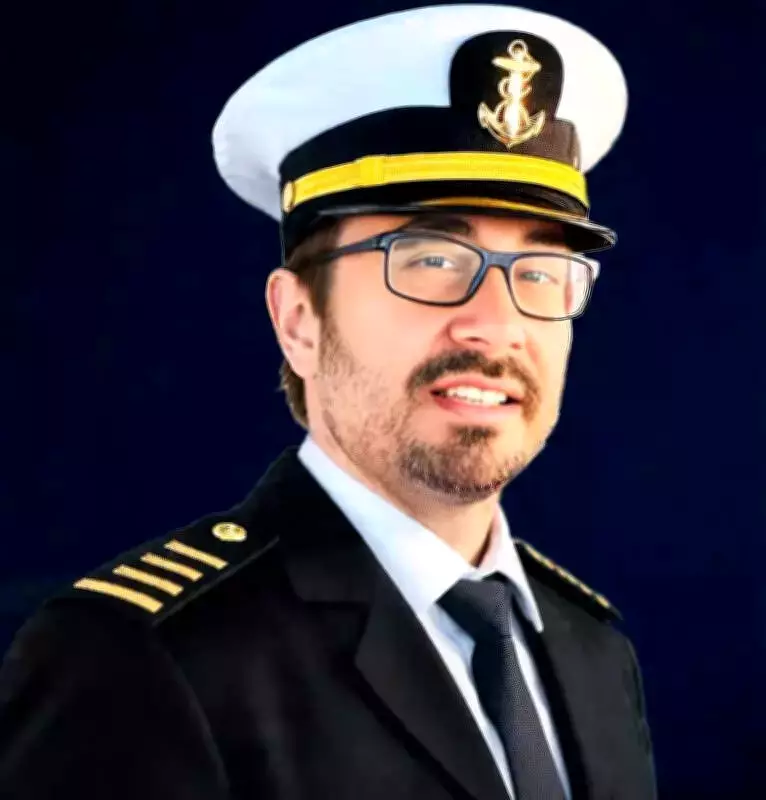
This grim reality, as described by Himachal Pradesh-born oil tanker captain Raman Kapoor, represents the daily existence for thousands of souls aboard approximately 700 ships currently stranded in the Persian Gulf. The escalating conflict between the United States, Israel, and Iran has transformed these vital waterways into a dangerous war zone.
Kapoor, a 47-year-old native of Kullu's Jallugran village in the Parvati valley, has issued an urgent SOS to the Indian government. He is pleading with authorities to negotiate safe passage for sailors caught in the crossfire of this international confrontation.

"It's absolutely terrifying out here," Kapoor told TOI from his stranded UAE oil tanker positioned off Iraq's Umm Qasr seaport. "We keep hearing explosions all around us constantly. We have been living with this persistent fear that drones or missiles might strike our vessel at any moment. Proper sleep has become impossible since this war began."
The Scale of the Maritime Crisis
The seasoned mariner, who commands a vessel with 23 crew members, revealed the staggering scope of the crisis:
- Approximately 700 commercial ships stranded throughout the Persian Gulf region
- Nearly 20,000 international sailors trapped aboard these vessels
- At least 2,000 Indian nationals among those stranded seafarers
"Our situation has become completely untenable," Kapoor explained. "We can neither remain safely where we are, nor can we find any way to get out. All airports and sea routes have been closed, leaving us with absolutely no escape options. If possible, the Indian government should make immediate arrangements or provide some form of security so we can emerge from this war zone alive."
Constant Vigilance and Family Anxiety
The captain described the exhausting reality of maintaining constant vigilance: "We cannot do anything except remain alert 24 hours a day, seven days a week, watching for any incoming shells or drones. My crew and company stand with me, and we will not desert our vessel. But there is no certainty here—anything could happen at any moment. We are simply praying for this war to end so we can reach our homes safely."
Back in Himachal Pradesh, Kapoor's 77-year-old father Om Chand Kapoor, a retired teacher, expressed his family's mounting anxiety. "Raman last visited home about five months ago before joining this new ship," the elder Kapoor revealed. "We maintain daily contact through phone calls, but our worry grows each day knowing he is trapped in an active war zone alongside thousands of other seamen. All we can do is hope and pray for this conflict to conclude soon."
Escalating Threats and Strategic Blockade
Several days earlier, Captain Kapoor posted an SOS video on social media platforms, warning that "the situation is deteriorating with each passing day." He provided crucial context about the strategic dimensions of the crisis: "We loaded our cargo from Iraq and have been waiting in these waters to sail out. But circumstances have grown increasingly serious as ships—particularly those with any connections to the United States or Israel—are coming under attack from Iranian forces. Iran appears determined to prevent any oil tankers from leaving the Persian Gulf region."
With 28 years of maritime experience, including a decade as captain, Kapoor represents the voice of seasoned professionals caught in geopolitical conflicts far beyond their control. His urgent appeal highlights the human cost of international confrontations, where ordinary workers become unintended casualties in global power struggles.

The stranded sailors' predicament underscores broader concerns about global shipping security, energy supply chains through the strategically vital Strait of Hormuz, and the urgent need for diplomatic interventions to protect civilian lives in conflict zones.