After the Pause: Navigating the Complex Aftermath of War
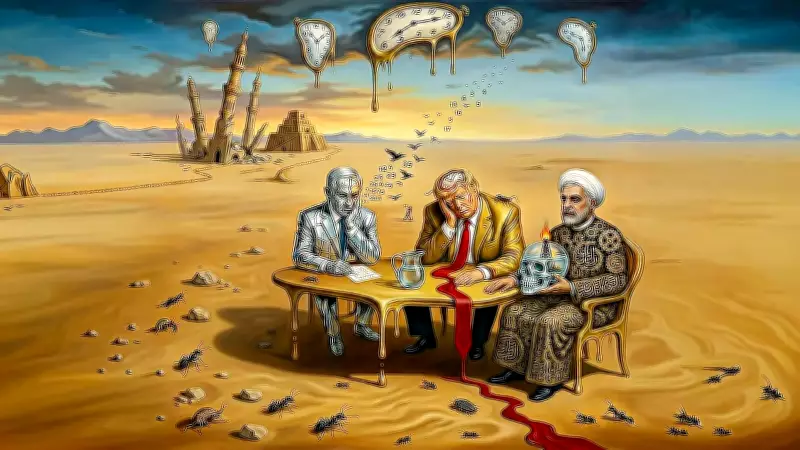
The cessation of hostilities marks not an end, but a profound beginning—a critical juncture where nations and societies must confront the daunting task of rebuilding from the ashes of conflict. This period, often referred to as "the pause," is a time of reckoning, where the true costs of war become starkly evident, and the path forward demands careful navigation through diplomatic, economic, and social minefields.
The Diplomatic Landscape in the Wake of Conflict
In the immediate aftermath of war, diplomacy takes center stage as nations grapple with the need to establish new frameworks for peace and stability. International relations are reshaped, with alliances tested and rivalries intensified. The role of global institutions, such as the United Nations, becomes paramount in facilitating dialogue and mediating disputes. Post-conflict negotiations often involve complex power dynamics, where victors and vanquished must find common ground to prevent future escalations. This phase requires a delicate balance of strength and compromise, as leaders work to secure lasting agreements that address root causes and prevent recurrence.
Economic Reconstruction and Global Implications
The economic toll of war is staggering, with infrastructure decimated, markets disrupted, and resources depleted. Rebuilding efforts must prioritize not just physical structures, but also the revitalization of trade, industry, and employment. In many cases, international aid and investment play a crucial role, though this can lead to dependencies and geopolitical tensions. The global economy feels the ripple effects, as supply chains are reconfigured and financial systems adapt to new realities. Nations must navigate the challenges of debt, inflation, and resource allocation, all while fostering sustainable growth that benefits all segments of society.

- Infrastructure Rehabilitation: Roads, bridges, and utilities require massive investment.
- Market Stabilization: Restoring confidence in local and international markets.
- Employment Generation: Creating jobs to support displaced populations.
Societal Healing and the Human Dimension
Beyond the geopolitical and economic spheres, the human cost of war leaves deep scars that demand attention. Societies must address trauma, displacement, and loss, fostering reconciliation and rebuilding social cohesion. This involves:
- Mental Health Support: Providing counseling and care for veterans and civilians affected by conflict.
- Refugee Resettlement: Assisting displaced individuals in returning home or integrating into new communities.
- Cultural Preservation: Protecting heritage sites and traditions threatened by war.
Lessons Learned and the Path Forward
History has shown that the aftermath of war offers critical lessons for preventing future conflicts. Analyzing missteps and successes can inform better policies and international cooperation. Key takeaways include the importance of early intervention, the need for inclusive peace processes, and the value of investing in education and development as tools for stability. As the world becomes increasingly interconnected, the responsibility to support post-conflict reconstruction extends beyond borders, calling for a collective effort to build a more peaceful and prosperous global community.