

Scientists Capture First-Ever Video of Trees Emitting Electrical Glow During Thunderstorms
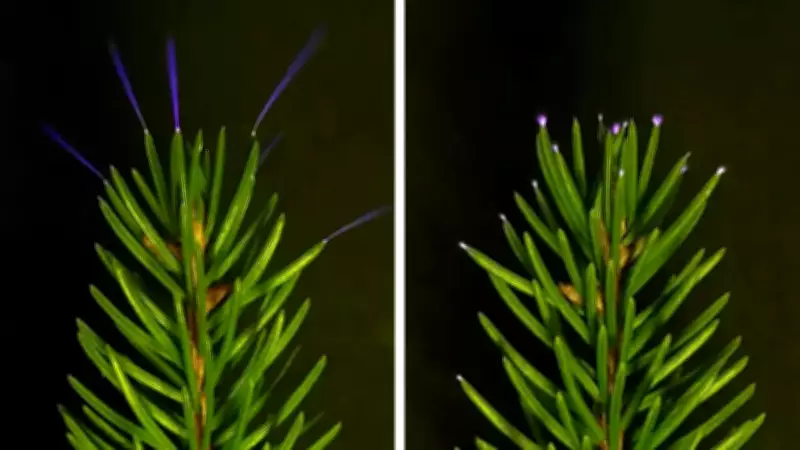
In a groundbreaking discovery, researchers have successfully filmed high-speed video footage of trees emitting an electrical glow by generating sparks during thunderstorms. This marks the first visual documentation of this natural phenomenon, captured using specialized sensors and cameras deployed in the Blue Ridge Mountains. The findings, published in the prestigious journal Geophysical Research Letters, reveal that tree branches can produce a faint blue light known as corona discharge under specific atmospheric conditions.
How Trees Emit Electrical Glow Without Catching Fire
The mesmerizing blue light observed at the tops of trees results from a phenomenon called corona discharge, which is entirely separate from lightning events or wildfires. During a thunderstorm, the electrical field becomes so intense that it ionizes the air near sharp edges like pine needles and leaf tips, ripping electrons away from air molecules. This process emits electricity into the air in a plasma form.
Unlike lightning, which involves extremely hot and large discharges, corona discharge is considered 'cool' electricity. According to Science News, this form of electricity is less powerful and more localized, accumulating at the sharpest points on trees. This allows the trees to emit a faint glow without causing any actual burning or damage to the tree itself.

Why Glowing Trees Matter for Climate and Air Quality
Beyond their beautiful and ethereal appearance, the electrical discharge from corona discharges around tree tips has profound implications for air quality and climate. Research conducted by Penn State University indicates that this electrical discharge produces large amounts of free hydroxyl radicals.
Hydroxyl serves as the principal cleaning agent for our atmosphere. These highly reactive radicals degrade many pollutants and greenhouse gases, such as methane, which would otherwise contribute significantly to global warming. The findings suggest that forested areas may have a much greater impact on Earth's electrical balance and greenhouse gas composition than previously thought, potentially altering our understanding of atmospheric processes.
Why Some Trees Glow Brighter Than Others
Following thunderstorms, different tree species exhibit varying intensities of this electrical glow. Recent studies published in Geophysical Research Letters confirm that the relative size of a tree's canopy plays a crucial role in producing more or less of this 'ghostly' light. Evergreen trees, particularly conifers, participate most actively in this electrical phenomenon.
The pointed tips of coniferous trees' needle-like leaves create exceptionally efficient natural 'conductors.' This shape allows upward-produced electrical fields to become highly concentrated at their pointed tips, making it easier and more frequent for them to create the upward-produced electrical flash blue light. This variation in glow intensity among species adds another layer of complexity to understanding forest-atmosphere interactions.
This observation is particularly significant to atmospheric scientists, as it builds upon centuries of anecdotal evidence from sailors who have observed similar glows on ship masts. The new visual documentation provides concrete data that could reshape models of atmospheric electricity and its environmental impacts.






