The European Union took a decisive step on Thursday by officially designating Iran's Islamic Revolutionary Guard Corps (IRGC) as a terrorist organization. This significant move comes with serious accusations that the IRGC has been responsible for killing thousands of Iranian citizens during recent nationwide protests.
EU Foreign Policy Chief Condemns Repression
In a powerful social media statement posted on platform X, European Union foreign policy chief Kaja Kallas declared that repression cannot go unanswered. She emphasized that any regime that kills thousands of its own people is essentially working toward its own demise. This strong language reflects the EU's growing frustration with Iran's human rights record and its treatment of protesters.
Iran's Military Response and Accusations
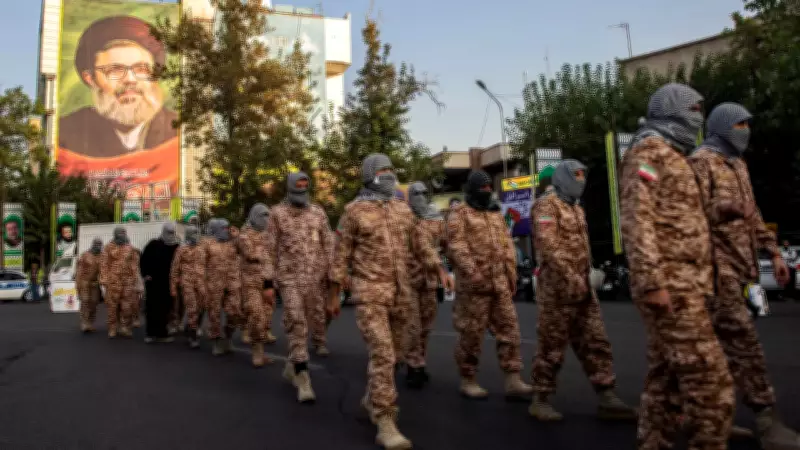
Iran's military leadership responded swiftly and harshly to the EU's decision, which places the Revolutionary Guards in the same category as notorious terrorist groups like Islamic State and al Qaeda. Through an official statement carried by the IRNA news agency, the General Staff of the Armed Forces called the EU's action illogical, irresponsible, and spite-driven.

The Iranian military further claimed that the European Union had taken this step in unquestioning obedience to what they described as the hegemonic and anti-human policies of the United States and Israel. This response highlights the deepening diplomatic rift between Iran and Western nations over human rights issues and regional security concerns.
Internal EU Debate and Changing Positions
The decision to designate the IRGC as a terrorist organization followed significant internal debate within the European Union. While some member states had been pushing for this designation for some time, others had expressed caution, fearing that such a move could hinder diplomatic communication with Iran's government and potentially endanger European citizens living in or visiting Iran.
However, the brutal crackdown on nationwide protests earlier this month, which reportedly resulted in thousands of deaths, created increased momentum for the designation. Dutch Foreign Minister David van Weel emphasized the importance of sending a clear signal that the bloodshed and bestial violence used against protesters cannot be tolerated.
Key European Nations Change Stance
Notably, France and Italy, which had previously been reluctant to support listing the IRGC as a terrorist organization, lent their backing this week. This shift in position among key European nations reflects growing consensus about the need for stronger action against Iran's human rights violations.
Background of Recent Protests
The EU's decision comes in the context of widespread protests that erupted across Iran following economic decline and social unrest. These demonstrations led to many citizens being killed and thousands more being imprisoned by Iranian authorities. The scale of the government's response to these protests appears to have been a significant factor in the EU's decision-making process.
The designation of the IRGC as a terrorist organization represents one of the strongest measures the European Union has taken against Iran in recent years. It signals a hardening of Europe's position on human rights violations and could have significant implications for EU-Iran relations, diplomatic engagement, and potential future sanctions.