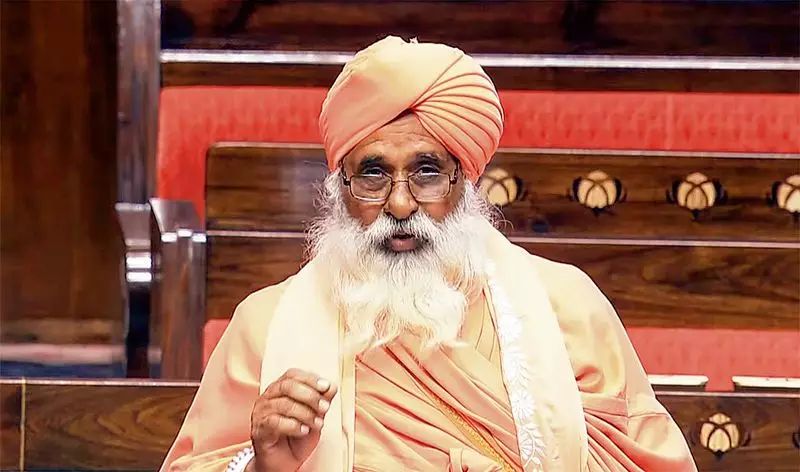
Prominent environmentalist and Padma Shri awardee Balbir Singh Seechewal has put forward a significant proposal to the central government. He has urged the declaration of the year 2026 as the 'National River Conservation Year'. This initiative aims to galvanize a nationwide, concerted effort to revive and protect India's critically polluted and dying rivers.
The Vision Behind the 2026 River Conservation Proposal
Seechewal, renowned for his pioneering work in rejuvenating the Kali Bein rivulet in Punjab, believes a dedicated year of focus can create massive public awareness and mobilize resources. He argues that such a declaration would send a powerful message about the urgency of the issue and coordinate efforts between the central government, state administrations, and local communities. The environmentalist emphasized that rivers are the lifelines of civilization and their current state of pollution poses a severe threat to public health, agriculture, and biodiversity.
The proposal was formally presented during a recent meeting with Union Minister of Jal Shakti, Gajendra Singh Shekhawat, in New Delhi. Seechewal expressed that the minister responded positively to the idea. The year 2026 could serve as a milestone to accelerate existing projects like the Namami Gange Mission and inspire similar actions for other major river systems across the country.

The Kali Bein Success Story: A Model for Revival
Central to Seechewal's proposal is the proven model of community-led river cleaning exemplified by the Kali Bein. This holy rivulet, associated with Guru Nanak Dev Ji, was once a choked, sewage-filled drain. In the early 2000s, Seechewal mobilized thousands of volunteers in a monumental shramdaan (voluntary labour) effort.
Through sheer community participation, they manually removed sludge, waste, and hyacinth, dredged the riverbed, and built infrastructure to stop wastewater inflow. The transformation of the 160-kilometer-long Kali Bein from a toxic drain into a flowing, clean water body stands as a testament to what is possible. Seechewal's model demonstrates that government schemes combined with active public participation can yield miraculous results. He envisions the 2026 Conservation Year applying this participatory template on a national scale.
Broader Environmental Concerns and Call to Action
Beyond the river conservation year proposal, Seechewal raised other pressing issues with the Jal Shakti Minister. He highlighted the alarming depletion of groundwater levels in Punjab and other states, largely due to unsustainable agricultural practices. He advocated for a shift towards less water-intensive crops and better water management policies.
Furthermore, he stressed the need to control the rampant pollution of other Punjab rivers, including the Sutlej and the Ghaggar. Seechewal pointed out that despite some efforts, a large amount of untreated industrial and domestic waste continues to flow into these rivers, poisoning the water and the land. His meeting was a comprehensive appeal for a holistic national water conservation strategy, where saving rivers is a central pillar.
The environmentalist's call to action is clear: declaring 2026 as the National River Conservation Year would not be a symbolic gesture, but a framework for intense, focused action. It would honour the legacy of clean rivers, secure water for future generations, and replicate the success of community-powered environmentalism seen at the Kali Bein across the map of India.