

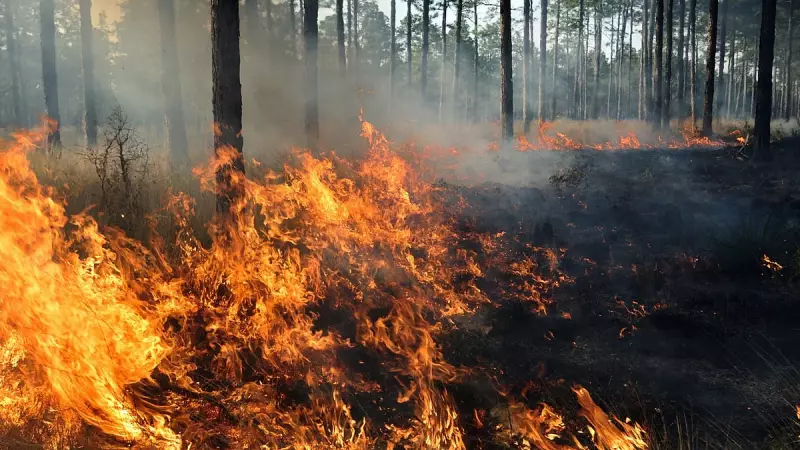
Early Winter Fires Signal a Harsh Season Ahead for India's Forests
Forest fire detections across India have surged unusually early this winter season. This early spike signals a potentially severe and challenging fire season ahead for the country's vast forested regions. Experts are raising alarms as the data points toward a tougher period for forest management and conservation efforts.
Unprecedented Early Detections
Fire detection systems have recorded a significant increase in forest fire incidents during the initial weeks of winter. Typically, fire activity peaks later in the season, but this year's early onset is causing concern among environmentalists and officials. The early burn suggests underlying climatic and environmental stressors are at play.
Dry conditions and reduced moisture levels in forest areas are primary contributors to this trend. Many regions have experienced lower than average rainfall in the preceding months, leaving vegetation parched and highly flammable. This dryness creates an ideal environment for fires to ignite and spread rapidly.

Climate Factors Intensify Risks
Climate change is playing a crucial role in exacerbating fire risks across Indian forests. Rising temperatures and altered precipitation patterns are extending the fire season and increasing its intensity. Winters are becoming drier in several parts of the country, reducing the natural moisture that typically suppresses fire outbreaks.
Human activities also contribute significantly to the fire threat. Agricultural burning, land clearing, and accidental ignitions often spark fires that can quickly escalate into large-scale forest blazes. These factors combined create a perfect storm for a difficult fire management scenario.
Implications for Forest Management
The early fire detections have serious implications for India's forest management strategies. Forest departments and disaster response teams must prepare for an extended and intense fire season. Resource allocation, manpower deployment, and firefighting equipment readiness need urgent attention.
Preventive measures become even more critical in such scenarios. Enhanced surveillance, community awareness programs, and stricter regulations on fire-prone activities are essential steps. Early warning systems and rapid response mechanisms must be strengthened to mitigate potential damage.
Looking Ahead to a Challenging Season
As winter progresses, the fire situation is expected to become more severe if current trends continue. The early warnings provide a valuable opportunity for proactive intervention. Authorities can use this lead time to implement preventive strategies and mobilize resources effectively.
Public cooperation remains vital in preventing forest fires. Citizens living near forested areas must exercise caution and follow safety guidelines. Reporting suspicious activities and avoiding practices that could ignite fires can make a significant difference.
The coming months will test India's forest fire management capabilities. The early signals demand immediate action and heightened vigilance to protect the country's precious forest ecosystems from devastating blazes.






