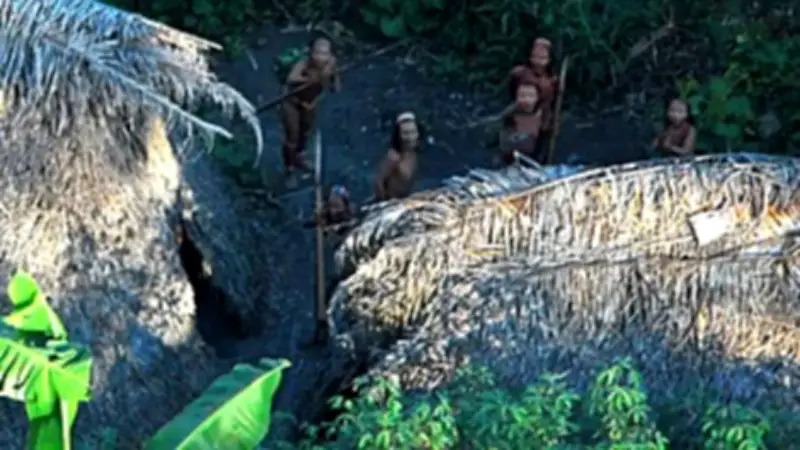
Drone Footage Reveals Life of Brazil's Uncontacted Amazon Tribes
In today's world, where satellites can monitor nearly every corner of Earth's surface, it seems improbable that any populations could remain entirely untouched by modern civilization. Yet, deep within the dense jungles of the Amazon, certain tribes have consciously chosen to avoid all contact with the outside world. Recently captured drone footage offers fascinating insights into how these isolated societies live, providing a rare glimpse into their daily existence.
What Survival International Reveals About Uncontacted Tribes in Brazil
According to Survival International, uncontacted tribes in Brazil rank among the most vulnerable societies globally. Their survival hinges on the protection of their ancestral lands. Brazil is believed to host the highest number of uncontacted tribes anywhere in the world, with over 100 such groups discovered inhabiting the Amazon rainforests. For these tribes, the rainforests are not just home but the sole source of food and shelter.
The vulnerability of these tribes stems from their lack of immunity to diseases common elsewhere. Even unintentional contact can prove fatal, making it crucial to advocate for their complete isolation. This underscores the importance of safeguarding their territories from external intrusions.

What the Drone Footage Actually Shows
The drone video reveals clusters of indigenous individuals navigating forest clearings and riverbanks. Many appear vigilant and occasionally armed, reflecting a long-standing tradition of self-protection against outside threats. Drones enable image capture without direct human presence on the ground, offering an improvement over previous aerial methods and helping verify the tribes' existence with minimal risk.
However, the very existence of this video evidence raises concerns. It suggests that these tribes may not be as physically isolated as before, potentially exposing them to new dangers.
Why Do These Tribes Choose Isolation?
Isolation for these tribes is not a sign of primitiveness but a deliberate choice. Many withdrew deeper into the jungle after experiencing hostility, forced relocation, and disease outbreaks during past interactions with outsiders. In today's context, their seclusion represents an act of defiance against societal encroachment, serving as a vital mode of survival.
The Growing Threats They Face
Despite efforts to maintain isolation, these tribes face escalating pressures from the outside world. Illegal logging, mining, and deforestation are gradually encroaching on their lands, sometimes leading to the disappearance of entire forest tracts. These invasions force tribes to relocate, increasing the likelihood of contact with strangers.
Such encounters can be devastating, disrupting their traditional lifestyles and introducing diseases they cannot combat, posing existential risks to their communities.
The Ethical Question Behind the Images
While drone videos may raise awareness about these tribes, they also spark ethical debates. Distinguishing between documentation and violation is challenging. Focusing global attention on uncontacted tribes risks dehumanizing them by treating them as curiosities, despite their inherent rights.
Most scholars argue that the priority should be protection, not publicity. The drone photos serve not only as a rare view into an unexplored world but also as a warning. These tribes do not seek discovery; they strive to remain undetected. Their ability to maintain their borders is paramount, and once those borders are breached, there is no turning back.