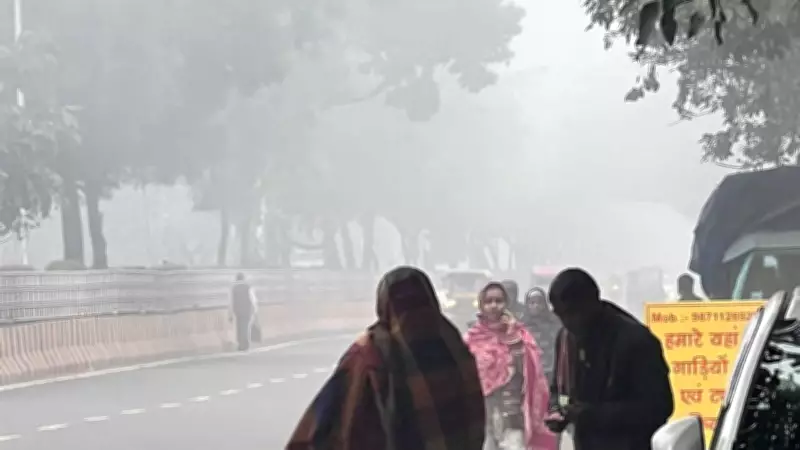
Dense Fog Paralyzes North India, Disrupting Flight Operations
Dense fog enveloped Delhi and extensive parts of north India on Monday, severely impacting visibility and causing significant disruptions to both air and road traffic. The persistent fog, linked to active western disturbance weather systems, created challenging conditions across the region.
Visibility Drops to Critical Levels at Delhi Airport
At Delhi's Indira Gandhi International Airport, visibility plummeted to as low as 100 metres during the early morning hours. While conditions improved slightly to 150 metres by morning, the India Meteorological Department (IMD) projected gradual improvement throughout the day. Visibility was expected to reach approximately 350 metres by 0830 IST and further improve to 800 metres by late morning as the fog thinned to shallow levels.
Delhi airport authorities responded proactively by issuing regular travel advisories, warning passengers about potential delays due to low-visibility operations. The airport's official social media channels provided real-time winter travel updates to keep travelers informed about the evolving situation.

Widespread Fog Coverage Across Multiple States
The fog cover extended well beyond Delhi, affecting the entire National Capital Region including Noida, Gurugram, Ghaziabad and Faridabad. According to IMD's Airport Meteorological Service, moderate to dense fog conditions were reported across Delhi, Haryana and parts of Punjab.
IMD forecasts indicate that shallow to moderate fog will likely persist during morning hours for the next six days across several northern states:
- Delhi, Haryana, western Uttar Pradesh, Punjab and parts of Rajasthan will experience continued fog conditions
- Lucknow may see visibility drop to 800 metres in shallow fog during early hours
- Jaipur is expected to experience shallow fog with visibility reducing to 600 metres
- Amritsar recorded particularly dense fog with visibility falling to 100 metres
Western Disturbance to Prolong Fog Conditions
The India Meteorological Department has attributed the persistent fog spell to an active western disturbance over north Pakistan and adjoining areas. This weather system, combined with an induced cyclonic circulation over Haryana and neighboring regions, has created ideal conditions for fog formation across the Indo-Gangetic plains.
Moisture incursion and calm surface winds have significantly contributed to the dense fog formation, according to meteorological experts. The IMD warns that fog conditions may persist for several days, with a fresh, feeble western disturbance expected to affect the higher Himalayan region from the night of February 2.
Another weather system is anticipated to impact northwest India from February 5, potentially extending cloudy conditions and fog episodes across the region. This forecast suggests travelers and residents should prepare for continued disruptions in the coming days.
The combination of reduced visibility and ongoing weather patterns has created significant challenges for transportation networks throughout north India, with authorities urging caution and recommending travelers check for updates before commencing journeys.