Delhi residents woke up to another bone-chilling morning as the cold wave tightened its grip on the national capital, with temperatures plunging to alarming lows and dense fog creating hazardous conditions across the city.
Temperature Plummets to Seasonal Low
The Safdarjung Observatory, which serves as Delhi's primary weather station, recorded a minimum temperature of 3.4 degrees Celsius on Friday morning. This reading represents one of the coldest nights of the current winter season, leaving residents scrambling for warmth.
Meteorological officials confirmed that the intense cold wave conditions are affecting large parts of northern India, with Delhi experiencing some of the most severe impacts. The maximum temperature also remained significantly below normal, providing no relief from the biting cold throughout the day.

Transport Chaos Amid Dense Fog
The cold wave brought with it dense fog that severely reduced visibility across the city and its surrounding areas. Early morning commuters faced nightmarish conditions as the fog blanket made navigation difficult on roads and highways.
Air and rail transport suffered major disruptions due to the poor visibility conditions. Several flights experienced delays at Indira Gandhi International Airport, while many trains arriving in Delhi ran behind schedule. Airport authorities issued advisories to passengers, urging them to check with their airlines about flight status before heading to the airport.
Weather Forecast and Safety Measures
The India Meteorological Department (IMD) has predicted that cold wave conditions will persist over the next few days. Weather scientists attribute the severe cold to multiple factors, including western disturbances and the absence of cloud cover that allows heat to escape rapidly during night hours.
Doctors across Delhi hospitals reported an increase in patients complaining of cold-related ailments, particularly among elderly citizens and young children. Medical experts have advised residents to wear multiple layers of warm clothing, avoid early morning outdoor activities, and ensure proper heating arrangements at home.
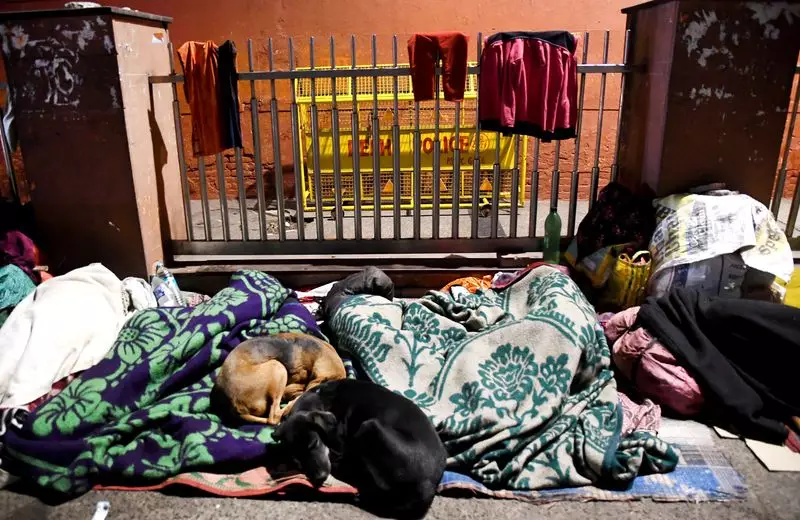
The municipal authorities have initiated night shelter programs for homeless populations, while several resident welfare associations have organized community warming centers for vulnerable sections of society.