Kansas City Chiefs Strategize for Post-Kelce Era with Draft Planning
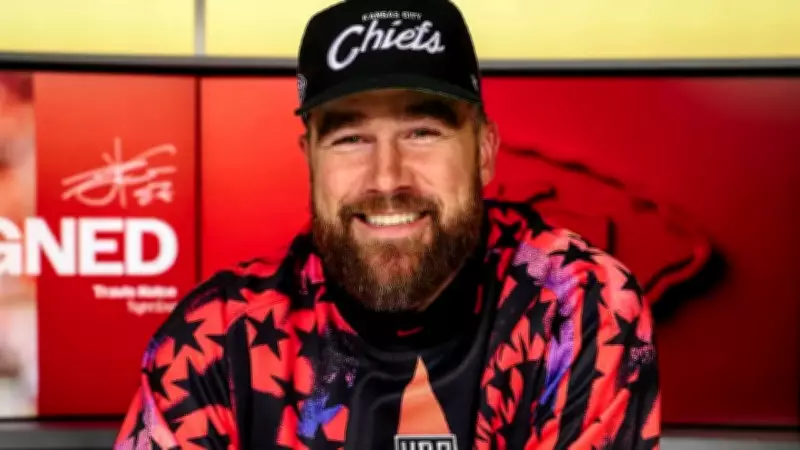
While Travis Kelce has confirmed his return to the Kansas City Chiefs for the 2026 NFL season, the franchise is already implementing forward-thinking strategies to prepare for the eventual transition at the tight end position. For an organization built on sustained excellence and multiple Super Bowl victories, proactive planning is essential to maintaining their competitive edge in the league.
Oregon's Kenyon Sadiq Emerges as Prime Draft Target
The Chiefs have subtly signaled their interest in Oregon tight end Kenyon Sadiq, who led all FBS tight ends with eight touchdown receptions last season. The team publicly highlighted his college production, fueling speculation about their draft intentions. League analysts and insiders confirm that Sadiq is firmly on Kansas City's radar as they approach the draft with the ninth overall pick.
Albert Breer noted, "I think at No. 9, you're looking at corner, receiver and edge as possibilities, with the need to backstop the tackle position at some point in the draft. Also, the idea of taking Oregon's Kenyon Sadiq at the very least is a consideration."

Sadiq's Versatility and Long-Term Potential
Scouting reports paint Sadiq as an exceptional athlete who represents the prototype for modern tight ends. His skill set includes:
- The ability to play inline and hold his own against tackles and edge rushers
- Excellent space blocking capabilities with impactful movement
- Sufficient size to overpower smaller defensive backs
- Impressive speed to create separation from defenders
Nick Baumgardner emphasized the exciting potential of integrating Sadiq into the Chiefs' offense: "Even the short-term potential of a Patrick Mahomes-led offense featuring Kelce, Sadiq, [Kenneth] Walker and Xavier Worthy is something I'd buy a ticket to see. Sadiq's long-term potential as Kelce's successor and Mahomes' new best friend is obvious."
Financial Strategy and Contract Considerations
The Chiefs' interest in Sadiq aligns with their financial planning regarding Kelce's contract structure. The veteran tight end has minimum salaries built into dummy years for 2027 and 2028, with a $40 million guarantee for 2028 that vests on June 8, 2025. This contractual arrangement will require the Chiefs to release Kelce by that date, allowing them to spread dead money across multiple seasons.
Breer explained the financial implications: "The Chiefs have a long-standing policy of not doing void years, and the above two rules allow them to sidestep that (using a tactic the Eagles have over the years). Kelce has minimum salaries built into dummy years in 2027 and 2028, with a $40 million guarantee for 2028 vesting June 8 of next year—which will force the Chiefs to release him by then, and allow for them to spread the dead money out, since the date falls after June 1."
Balancing Present Success with Future Planning
Travis Kelce remains the cornerstone of Kansas City's offensive strategy and a vital component of their championship aspirations. However, the Chiefs' front office recognizes that sustained success requires anticipating transitions before they become urgent needs. By potentially drafting Sadiq, Kansas City could secure a talented player who contributes immediately while developing into Kelce's eventual replacement.
The Chiefs' approach demonstrates how elite NFL franchises manage roster evolution while maintaining championship competitiveness. Rather than waiting for a star player's decline, they identify and cultivate successors in advance, ensuring seamless transitions that preserve their offensive identity and effectiveness.
As the NFL draft approaches, all eyes will be on whether Kansas City selects Kenyon Sadiq to begin the gradual transition from the Travis Kelce era to the next chapter of Chiefs football.