

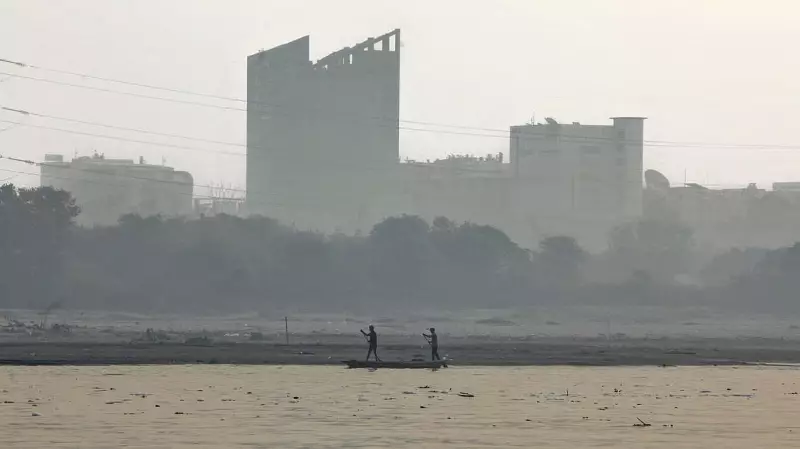
In a startling revelation that transcends international borders, Delhi and Beijing appear to be reading from the same environmental playbook when it comes to addressing their catastrophic air pollution problems. Despite being separated by thousands of kilometers, both megacities demonstrate remarkably similar patterns of denial, deflection, and delayed action.
The Great Smog Similarity
When toxic haze blankets these urban centers, the official response follows a predictable pattern. Authorities in both nations initially downplay the severity, often blaming seasonal factors like crop burning or weather conditions rather than acknowledging systemic failures in environmental regulation and urban planning.
The denial tactics include:

- Questioning the accuracy of air quality monitoring data
- Attributing pollution spikes to external factors beyond their control
- Delaying implementation of already weak environmental regulations
- Creating temporary solutions that address symptoms rather than root causes
A Public Health Crisis in Plain Sight
The human cost of this environmental negligence is staggering. Medical professionals in both cities report escalating cases of respiratory illnesses, with children and elderly populations being particularly vulnerable. The economic impact of healthcare costs and lost productivity runs into billions of dollars annually.
"What we're witnessing is a collective failure to prioritize human health over political convenience and economic growth," notes an environmental researcher who has studied both cities' approaches.
The Data Doesn't Lie
Independent air quality monitoring consistently shows pollution levels that far exceed World Health Organization safety guidelines. Despite this overwhelming evidence, both governments continue to employ what critics call "atmospheric gaslighting" - convincing citizens that the problem isn't as severe as independent data suggests.
The parallel approaches raise uncomfortable questions about whether developing nations are destined to repeat the environmental mistakes of industrialized countries, despite having access to better technology and scientific understanding.
A Path Forward?
Environmental advocates argue that solutions exist but require political will that has so far been lacking. Genuine progress would involve:
- Transparent reporting of pollution data
- Strict enforcement of environmental regulations
- Investment in clean public transportation
- Transition to renewable energy sources
- Cross-border cooperation on regional pollution sources
Until both nations break free from their shared denial playbook, millions of citizens will continue breathing air that slowly compromises their health and quality of life.






