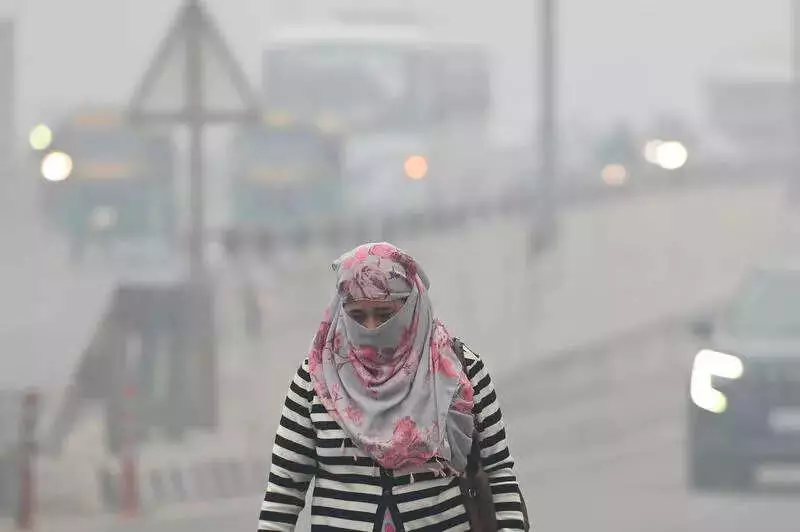
In New Delhi, a chorus of resident welfare associations and political parties has amplified demands for immediate and decisive action to tackle the capital's deteriorating air quality. The calls highlight a growing public frustration with the recurring pollution crisis and perceived gaps in official response mechanisms.
Key Demands from Citizen Groups
The United Residents Joint Action of Delhi (URJA), an umbrella body representing numerous resident welfare associations, has written to Union Environment Minister Bhupender Yadav. In the letter, URJA General Secretary Atul Goyal pointed out significant shortcomings in the execution of emergency measures under the Graded Response Action Plan (GRAP).
The body has put forth several critical demands for periods of severe pollution. These include the temporary closure of waste-to-energy (WTE) plants and thermal power stations operating in and around the National Capital Region (NCR). Furthermore, URJA emphasized the need for stricter enforcement of existing environmental rules and creating avenues for greater citizen involvement in monitoring and control efforts.

"Residents can play an important role in curbing violations, but this requires strict monitoring and stern punitive action, which is largely missing. Active participation of both administration and citizens can resolve issues to a large extent," the letter stated.
Beyond Borders: Aircraft and Cross-State Pollution
The URJA letter also flagged two often-overlooked contributors to the city's toxic haze. It highlighted emissions from thermal plants and industries in neighbouring states, underscoring the regional nature of the problem. Additionally, it brought attention to the issue of aircraft hovering over the city for 30–45 minutes during foggy conditions while awaiting runway clearance, a practice that adds significantly to local emissions.
The association urged authorities to develop clear, time-bound action plans and standard operating procedures that focus on delivering both short-term relief and sustainable long-term improvements in air quality.
Political Reactions and Accusations
The pollution crisis has also drawn sharp reactions from political quarters, with parties trading blame over the effectiveness of current measures. Devender Yadav, president of the Delhi Pradesh Congress Committee, questioned the outcomes of government initiatives. "If the Centre is funding pollution-control projects, why is Delhi govt failing to do meaningful work? Even after spending crores on cloud seeding, no tangible results have been seen," he said.
Meanwhile, Praveen Shankar Kapoor, a spokesperson for the Delhi BJP, targeted the local administration and municipal bodies in social media posts addressed to top officials. He criticized the continuation of construction activities despite GRAP-IV restrictions being in place. "Construction and related activities must be stopped sternly. MCD and Delhi govt should launch intensive sanitation drives with staff working six to eight hours daily," Kapoor stated.
He also called for a temporary halt to thermal power generation across north India during severe episodes, suggesting that alternative power be supplied through the national grid to compensate.
The intensifying demands reflect a widespread consensus on the severity of Delhi's air pollution emergency but reveal deep divisions on accountability and the path forward. As the debate continues, residents await concrete steps that translate plans into palpable clean-air gains.