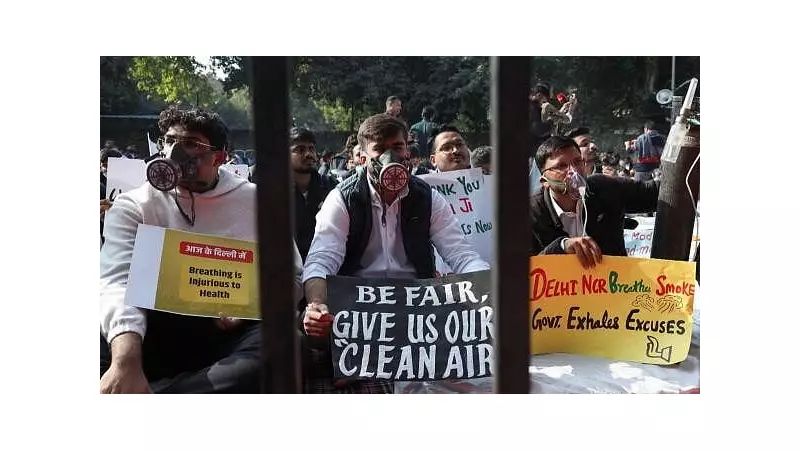
In a decisive move to combat the capital's persistent air quality emergency, authorities have issued a direct mandate to industries operating in the Delhi National Capital Region (NCR). These units have been instructed to install continuous emission monitoring devices without delay. Simultaneously, concerned government agencies have been directed to accelerate the implementation of all pending pollution control measures.
Authorities Ramp Up Enforcement
The directive, reported on December 3, 2025, signifies a shift towards stricter enforcement and real-time accountability for industrial contributors to pollution. The order compels factories and manufacturing plants to set up systems that track their emissions constantly. This data is expected to be crucial for identifying major violators and ensuring compliance with environmental norms.
Parallel to this, multiple agencies responsible for environmental protection and urban management have been asked to fast-track their action plans. This includes measures related to dust management, waste processing, and regulating other known sources of pollutants. The aim is to close the gaps in execution that often hinder pollution control efforts, especially during the critical winter months.

Experts Pinpoint Major Pollution Sources
Environmental analysts have consistently outlined the primary components fueling Delhi's toxic air. As highlighted in the recent developments, these critical sources include:
- Transport: Vehicular exhaust remains a massive contributor.
- Industry: Emissions from factories and power plants.
- Waste Burning: Open burning of garbage and agricultural stubble.
- Household Fuel: Use of unclean fuels for cooking and heating.
- Dust: Construction activity and unpaved roads.
The latest order specifically targeting industrial monitoring is a direct response to one of these core challenges. However, experts stress that a sustainable solution requires coordinated action on all five fronts simultaneously.
A Race Against Time
The urgency of these commands underscores the severity of the air quality crisis that grips Delhi NCR every year. With public health at stake and visibility often reduced, the pressure on authorities to deliver tangible results is immense. The success of this initiative will depend heavily on rigorous follow-up, transparent data sharing from the installed monitors, and punitive action against non-compliant industries.
While the move is a step in the right direction, environmentalists argue that long-term strategy must also involve systemic changes in urban planning, public transportation, and clean energy adoption. The directive reported by Kalyan Ray marks a tactical escalation in the ongoing battle for breathable air in India's capital, but the war is far from over.