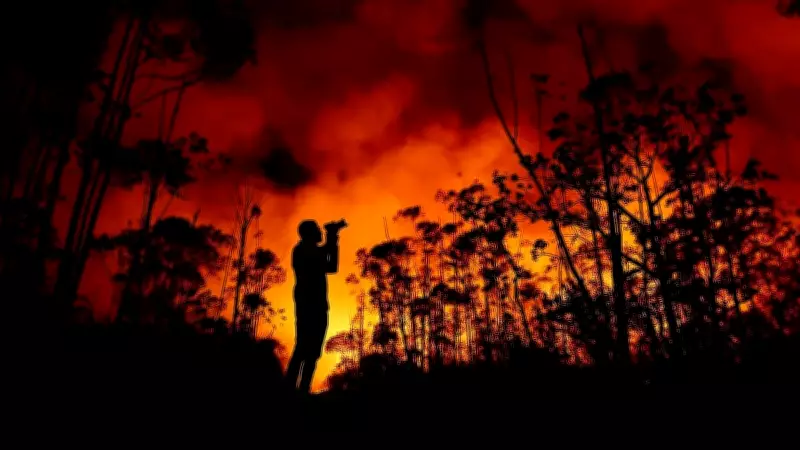
A recent report has sounded a dire warning about the impact of the climate crisis on global wildlife. According to the study, as much as 74% of animal habitats could be exposed to extreme climatic events by the year 2050. The researchers conducted a comprehensive analysis to understand how various species might be affected by the changing climate, focusing on the projected increase in exposure to different types of extreme events and multiple hazards compared to the baseline year of 2000.
Scope of the Study
The study aimed to evaluate the vulnerability of species by examining how exposure to extreme events such as heatwaves, droughts, floods, and storms is expected to change. The researchers used climate models to project future scenarios and assessed the potential risks to animal habitats across the globe.
Key Findings
- Widespread Impact: Nearly three-quarters of all animal habitats could face severe climate-related threats within the next three decades.
- Multiple Hazards: Many regions will experience a combination of extreme events, compounding the stress on wildlife.
- Baseline Comparison: The projections were compared to conditions in the year 2000, highlighting a dramatic increase in exposure.
Implications for Conservation
The findings underscore the urgent need for enhanced conservation efforts. Protecting biodiversity will require not only reducing greenhouse gas emissions but also implementing adaptive management strategies to help species cope with inevitable changes. The report calls for global cooperation to mitigate the impacts and preserve ecosystems.

Call to Action
Conservationists and policymakers are urged to prioritize the protection of vulnerable habitats and to develop early warning systems for extreme events. Public awareness and community involvement are also critical to fostering resilience in both human and natural systems.
The report serves as a stark reminder that the climate crisis is not a distant threat but an immediate challenge that demands decisive action to safeguard the planet's biodiversity for future generations.