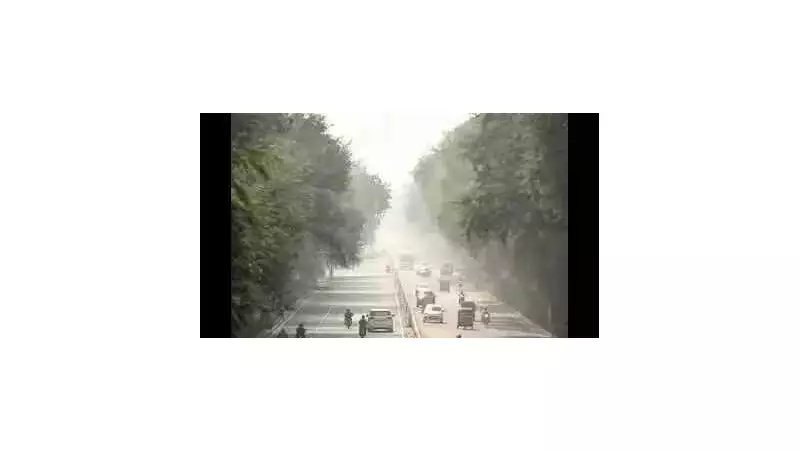
In a significant step to combat festival pollution, Chennai is set to deploy its most extensive air quality monitoring effort for the upcoming Bhogi festival. The Tamil Nadu Pollution Control Board (TNPCB) will track air quality across all 15 administrative zones of the city, marking a broader initiative compared to the Diwali period when monitoring was limited to seven key locations.
Expanded Monitoring and Manual Sampling
The state's nodal agency for air monitoring is finalizing sites and preparing awareness campaigns ahead of the festival, which falls in the second week of January. Shankara Subramanian, deputy director (air and water) at TNPCB, detailed the plan. He stated that air quality index (AQI) measurements will be taken through manual sampling at all locations. Staff will be stationed at each site to replace filters every hour, ensuring consistent data collection.
"Monitoring will continue for several days before and after Bhogi, and on the day of the festival, machines will operate round the clock," Subramanian explained. This intensive schedule is a step up from the routine twice-a-week monitoring conducted at the city's 15 manual air-sampling stations, three of which were added in May 2025.

Awareness Drives and Festival Focus
Alongside monitoring, the pollution control board is launching public outreach initiatives. The agency plans to hire autorickshaws and tempo travellers to spread awareness about the dangers of air pollution in rural and semi-urban parts of the city. "Pamphlet distribution is also being planned," added Subramanian. The focus on Bhogi, the day before Pongal when people traditionally burn old items, is due to the severe spike in particulate matter it causes.
Monitoring for the Pongal festival period is likely to commence this week. It is important to note that, unlike automated systems, these manual stations do not provide real-time data. The AQI is determined through subsequent laboratory analysis of the collected samples.
Environmentalists Call for Stronger Action
While welcoming the expanded monitoring, environmental activists argue that measurement alone is insufficient without concrete enforcement. G Sundarrajan of the environmental group Poovulagin Nanbargal emphasized the need for the board to move beyond awareness campaigns.
"The pollution control board needs to move beyond awareness drives. It must have the authority to impose heavy fines on violators. It's high time Chennai adopted an eco-friendly policy," Sundarrajan stated. This critique highlights the ongoing challenge of translating data into actionable policy and on-ground pollution reduction, especially during high-pollution events like Bhogi.