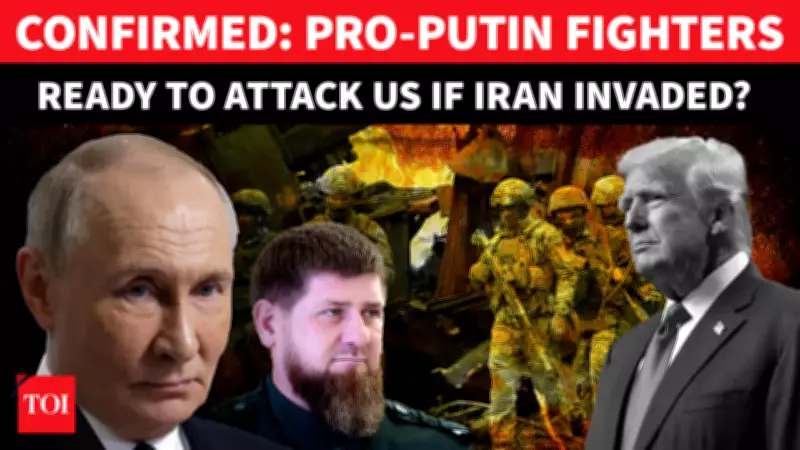
Chechen Fighters Declare Readiness to Confront U.S. Forces in Iran Conflict
In a significant development amid escalating tensions in the Middle East, Chechen leader Ramzan Kadyrov, a staunch ally of Russian President Vladimir Putin, has publicly signaled support for Iran against the United States. Reports emerging from Iranian media suggest that Chechen fighters loyal to Kadyrov are on high alert and prepared for potential deployment to the region if Washington initiates a ground invasion of Iran.
Pro-Putin Chechen Units Frame Potential Intervention as 'Jihad'
According to sources cited by Iranian outlets, these Chechen units have described any possible military involvement as a 'jihad', underscoring the ideological fervor driving their readiness. This rhetoric highlights the deepening alliances and proxy dynamics at play in the ongoing geopolitical standoff, with Chechen forces positioning themselves as key players in a broader conflict.
Kadyrov's alignment with Iran comes despite previous criticisms he leveled against Tehran. Earlier, the Chechen leader had condemned Iranian strikes on civilian infrastructure in Gulf nations, labeling such actions as unacceptable. This nuanced stance reflects the complex diplomatic balancing act, where regional loyalties and strategic interests often intersect and evolve rapidly.

Background of Rising Tensions and Global Implications
The announcement follows a series of provocative moves in the region, including Iran's military strikes on U.S.-linked sites and the busting of alleged spy networks. As tensions simmer, the potential involvement of Chechen fighters adds a new layer of volatility, raising concerns about an expanded conflict that could draw in multiple state and non-state actors.
Analysts note that Kadyrov's readiness to deploy forces underscores the growing influence of pro-Putin factions in international disputes, potentially complicating U.S. strategic calculations. The situation remains fluid, with global powers closely monitoring developments that could reshape Middle Eastern geopolitics.