

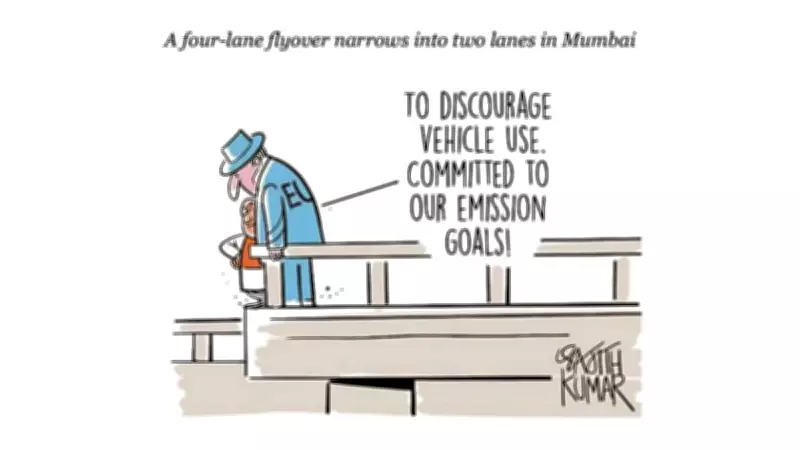
Editorial Cartoon Ignites Conversation on Urban Vehicle Use in India
A thought-provoking editorial cartoon published by Deccan Herald has recently captured public attention by addressing the critical issue of discouraging vehicle use in India's rapidly growing urban centers. The cartoon, which serves as a visual commentary, underscores the pressing challenges associated with urban mobility and the environmental impact of excessive private vehicle dependency.
The Core Message of the Cartoon
The cartoon effectively uses satire and imagery to convey a powerful message about the need for a shift in transportation habits. It highlights several key points that resonate with current urban realities in India:
- The congestion and pollution caused by a high volume of private vehicles on city roads.
- The strain on infrastructure and public resources due to unchecked vehicle growth.
- The potential benefits of promoting alternative modes of transport, such as public transit, cycling, and walking.
Broader Implications for Urban Policy
This artistic expression has sparked broader discussions among policymakers, environmentalists, and citizens. It brings to light the necessity for comprehensive urban planning strategies that prioritize sustainable mobility. Key areas of focus include:

- Infrastructure Development: Enhancing public transportation systems to make them more efficient and accessible.
- Policy Initiatives: Implementing measures like congestion pricing, parking restrictions, and incentives for eco-friendly vehicles.
- Public Awareness: Encouraging behavioral changes through campaigns that promote the advantages of reduced vehicle use.
The cartoon serves as a reminder of the collective responsibility to address urban challenges. By fostering dialogue and inspiring action, it contributes to the ongoing efforts to create cleaner, healthier, and more livable cities across India. As urban populations continue to expand, such visual commentaries play a crucial role in shaping public opinion and driving policy changes towards a more sustainable future.






