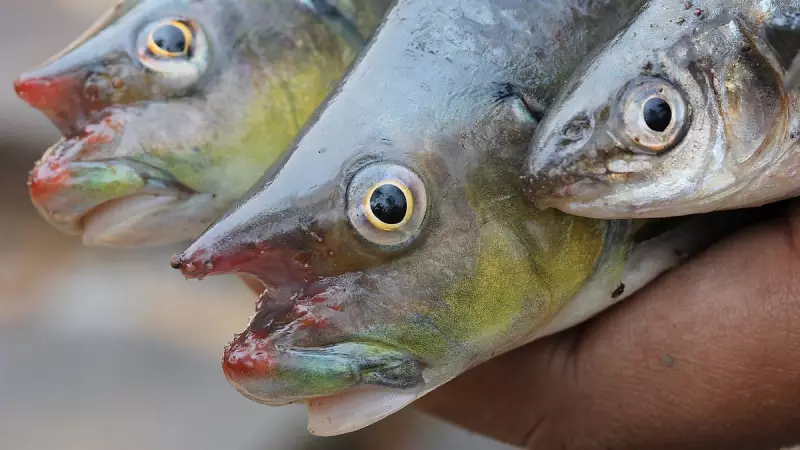
In a significant move to bolster the livelihoods of local fishing communities, the Bombay Natural History Society (BNHS) has taken a proactive step by organizing a specialized workshop for fishermen operating around the Ujani reservoir. The two-day event, which concluded recently, aimed to shift focus towards the conservation and commercial promotion of native fish species, receiving an enthusiastic response from participants.
Workshop Focus: From Catch to Commerce
The core objective of the workshop, conducted by the Mumbai-headquartered BNHS, was to educate and equip the Ujani fishermen with knowledge and strategies to improve their income. Instead of relying on common or invasive species, the training emphasized the high ecological and market value of indigenous fishes found in the region's waters. The event was held over two days in December 2025, providing a platform for direct interaction between conservation experts and the fishing community.
Why Indigenous Fish Matter
Promoting indigenous fish species serves a dual purpose. Ecologically, it helps maintain the natural balance of the aquatic ecosystem in the Ujani reservoir. Economically, these native species often fetch a better price in local and niche markets, offering fishermen a path to higher and more sustainable earnings. The workshop likely covered practical aspects such as identification, sustainable harvesting techniques, and potential market linkages for these species.

A Step Towards Sustainable Livelihoods
The positive response from the fishermen indicates a readiness to adopt practices that are both economically beneficial and environmentally sound. This initiative by BNHS aligns with broader goals of community-based conservation, where protecting biodiversity goes hand-in-hand with improving human well-being. The successful workshop, reported on 17 December 2025, marks a promising beginning for a model that could be replicated in other fishing communities across Maharashtra and India.
By bridging the gap between scientific conservation knowledge and on-ground livelihood practices, the BNHS has initiated a crucial dialogue. The future of such programs looks bright, potentially leading to a win-win scenario where the waters of Ujani are preserved, and the nets of its fishermen yield greater prosperity.