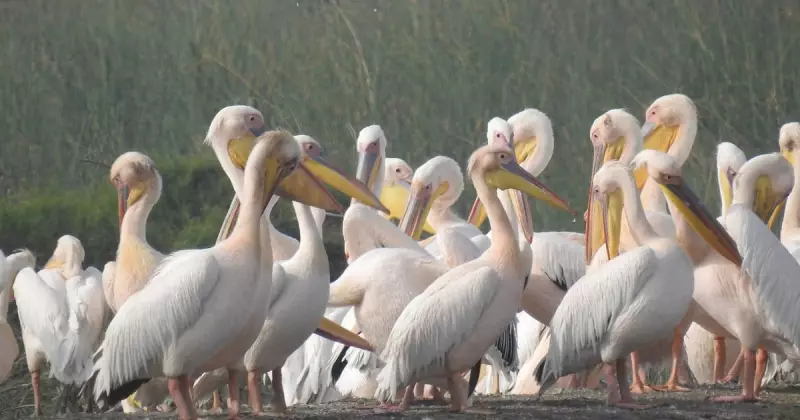
The Bombay Natural History Society (BNHS), a premier wildlife research organization, has announced its participation in the upcoming Asian Waterbird Census (AWC) scheduled for January 2025. This annual, large-scale initiative is crucial for monitoring the populations of waterbirds and the health of wetland ecosystems across the continent.
BNHS's Pivotal Role in the Census
As a key coordinating body in India, BNHS will play a central role in the census activities within the state of Maharashtra. The society will be responsible for mobilizing and organizing a network of volunteers, birdwatchers, researchers, and conservationists to conduct systematic surveys across numerous wetland sites. These include important locations like the Thane Creek Flamingo Sanctuary, Sewri Mudflats, and various inland lakes and reservoirs.
The primary objective is to collect robust data on waterbird species, their numbers, and distribution patterns. This long-term data is invaluable for identifying trends, understanding the impact of environmental changes, and formulating effective conservation strategies for both migratory and resident bird species.

Significance of the Asian Waterbird Census
The Asian Waterbird Census is an integral part of the global International Waterbird Census (IWC) coordinated by Wetlands International. It represents one of the most extensive citizen-science programs in the region. The data gathered contributes significantly to international conservation frameworks, including the Convention on Migratory Species (CMS) and the Ramsar Convention on Wetlands.
For India, and specifically for Maharashtra, the census provides critical insights into the state of its wetlands, which are vital habitats for birds and act as essential buffers against floods and sources of water. Monitoring these sites helps in assessing threats such as pollution, habitat encroachment, and climate change impacts.
Broader Implications for Conservation
The involvement of BNHS brings scientific rigor and continuity to the census efforts. The society's extensive experience and historical data allow for meaningful year-on-year comparisons. This participation underscores the importance of collaborative efforts between professional institutions and the public in biodiversity monitoring.
The findings from the AWC 2025 will directly inform conservation action plans for key species and their habitats. It will help prioritize sites for protection, guide policy decisions related to urban development near wetlands, and raise public awareness about the ecological importance of these areas. The census acts as an early warning system, highlighting sites that may be degrading and in need of immediate intervention.
Ultimately, the BNHS-led census is more than just a bird count; it is a vital health check for Maharashtra's aquatic ecosystems and a testament to the power of collective action in wildlife conservation.