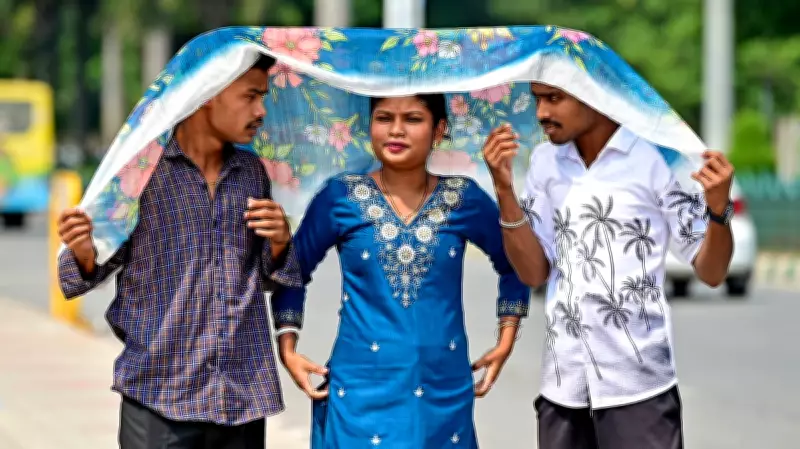
Bengaluru Sizzles as Mercury Soars 3 Degrees Celsius Above Normal
The bustling metropolis of Bengaluru is currently grappling with an intense heatwave, as temperatures have surged to a staggering 3 degrees Celsius above the seasonal average. This significant deviation from normal weather patterns has triggered widespread concern among residents and authorities alike, with the city experiencing uncharacteristically high mercury levels that are disrupting daily life and posing health risks.
Unprecedented Temperature Spike
According to recent meteorological data, Bengaluru's maximum temperature has consistently hovered around 36 to 38 degrees Celsius, marking a sharp increase from the typical range of 33 to 35 degrees Celsius for this time of year. This 3-degree Celsius anomaly is not merely a minor fluctuation but represents a substantial climatic shift that experts attribute to a combination of factors, including reduced cloud cover, dry atmospheric conditions, and urban heat island effects exacerbated by the city's rapid development.
The India Meteorological Department (IMD) has issued alerts for the region, warning that the heatwave conditions are likely to persist for several more days. This prolonged exposure to elevated temperatures is raising alarms about potential impacts on public health, agriculture, and water resources in Karnataka's capital.

Health Advisories and Public Response
In response to the soaring temperatures, health authorities have rolled out a series of advisories to protect citizens from heat-related illnesses. Key recommendations include:
- Avoiding outdoor activities during peak heat hours, typically from 11 AM to 4 PM.
- Staying hydrated by drinking ample water and avoiding caffeinated or alcoholic beverages that can lead to dehydration.
- Wearing light-colored, loose-fitting clothing to minimize heat absorption and promote better air circulation.
- Using sunscreen and protective gear such as hats and sunglasses when venturing outside.
Hospitals and clinics in Bengaluru have reported a noticeable uptick in cases of heat exhaustion, dehydration, and sunstroke, particularly among vulnerable populations like the elderly, children, and outdoor workers. Public awareness campaigns are being intensified to educate residents on recognizing symptoms and seeking timely medical assistance.
Environmental and Infrastructural Impacts
The heatwave is also exerting pressure on Bengaluru's infrastructure and natural resources. Water levels in local reservoirs and lakes have begun to decline, prompting calls for stringent conservation measures. The Bangalore Water Supply and Sewerage Board (BWSSB) has urged citizens to use water judiciously and avoid wastage, as the scorching weather accelerates evaporation rates and increases demand.
Moreover, the urban heat island effect, where built-up areas retain more heat than surrounding rural regions, is being cited as a contributing factor to the temperature spike. Environmentalists emphasize the need for greener initiatives, such as expanding tree cover and promoting sustainable urban planning, to mitigate future heatwaves.
Broader Climatic Context
This episode in Bengaluru aligns with broader trends of rising temperatures across India and globally, often linked to climate change. While seasonal variations are normal, the intensity and duration of such heatwaves are becoming more frequent, underscoring the urgency for adaptive strategies and policy interventions.
As Bengaluru sizzles under the unrelenting sun, residents are advised to stay informed through official weather updates and take proactive steps to safeguard their well-being. The situation serves as a stark reminder of the growing challenges posed by extreme weather events in urban centers.