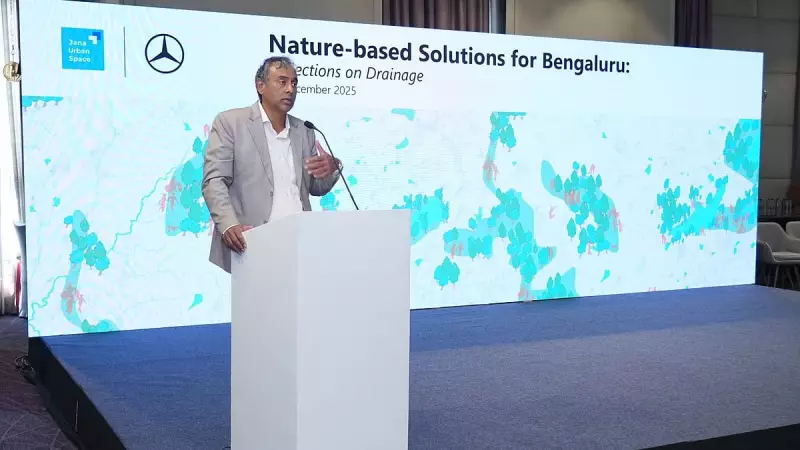
In a significant shift from traditional urban planning, Bengaluru is now actively turning to nature-inspired designs to tackle its recurring and severe flooding problems. The move comes as a direct response to the city's vulnerability during heavy rains, where conventional 'concrete box' drainage systems have repeatedly failed.
From Concrete Jungles to Green Solutions
An expert analysis highlights the uneven impact of flooding across the city. Rao pointed out that while naturally sloping areas manage to stay relatively dry, low-lying regions bear the brunt. Locations like Yelahanka and parts of south Bengaluru are particularly prone to severe waterlogging, disrupting life and damaging infrastructure. The proposed solution moves away from grey infrastructure towards green, sustainable alternatives.
Key Nature-Based Interventions Proposed
The new strategy focuses on three primary techniques to manage stormwater effectively. First, bioswales—gentle, vegetated channels—are designed to slow down and filter runoff. Second, rain gardens, which are shallow depressions planted with native vegetation, will capture rainwater and allow it to percolate into the soil. Third, the widespread use of permeable pavements in public spaces will enable water to seep through the surface instead of creating instant runoff.

The core objective of these measures is twofold: to dramatically slow the flow of rainwater across the urban landscape and to actively recharge the city's fast-depleting groundwater tables. This approach not only mitigates immediate flooding but also addresses the longer-term water security crisis.
A Sustainable Blueprint for the Future
This paradigm shift, discussed and reported on Thursday, 18 December 2025, represents a critical rethinking of urban resilience. By mimicking natural water cycles, Bengaluru aims to build a more adaptable and sustainable infrastructure. The success of such nature-based solutions could set a precedent for other flood-prone Indian cities struggling with similar challenges of unplanned urbanisation and outdated drainage systems.
The initiative underscores a growing recognition that combating urban flooding requires working with ecology, not against it. The future of Bengaluru's flood management looks green, promising a model where development and nature can coexist to create a safer, more liveable city.