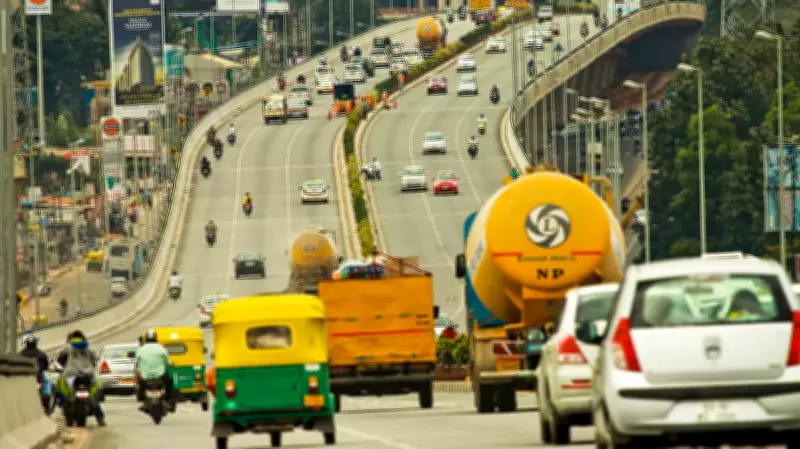
Bengaluru residents are witnessing a significant increase in their monthly expenses, ranging from 8 to 15 percent, as the ongoing crisis in West Asia continues to impact global supply chains and fuel prices. The surge in costs has forced many families to reconsider their spending patterns, particularly in food habits.
Rising Costs Across Sectors
The price of liquefied petroleum gas (LPG) has seen a steep hike, directly affecting household budgets. Additionally, the cost of essential commodities, including vegetables, pulses, and edible oils, has risen sharply. According to local traders, the disruption in trade routes from West Asia has led to a 10-12 percent increase in the prices of imported goods.
Impact on Food Habits
Families are adapting to the new economic reality by altering their dietary choices. George Dimitrov, a resident of the city, shared that his family has reduced non-vegetarian meals from three to four times a week to just once. "Earlier, we could afford chicken or fish regularly, but now it's a luxury," he said. Many households are shifting towards vegetarian options, which are relatively cheaper, and are cutting down on dining out.

Broader Economic Implications
The crisis has also affected transportation costs, with auto and cab fares increasing by 15-20 percent. Fuel prices have climbed steadily, adding to the financial burden on commuters. Small businesses, especially those dependent on imported raw materials, are struggling to maintain profit margins. Economists warn that if the crisis persists, inflation could remain elevated for the next few months.
Government Measures and Public Response
The Karnataka government has announced a relief package, including subsidies on LPG cylinders and free ration for below-poverty-line families. However, many residents feel these measures are insufficient. "The subsidy helps, but the overall cost of living is still too high," said Priya Sharma, a software professional. Citizens are calling for more direct interventions, such as price caps on essential items and increased public transport subsidies.
Looking Ahead
As the West Asia crisis shows no signs of immediate resolution, Bengalureans are bracing for continued financial strain. Financial advisors recommend budgeting carefully and exploring alternative energy sources, such as solar cooking, to mitigate the impact. The coming months will test the resilience of the city's households as they navigate these challenging times.