

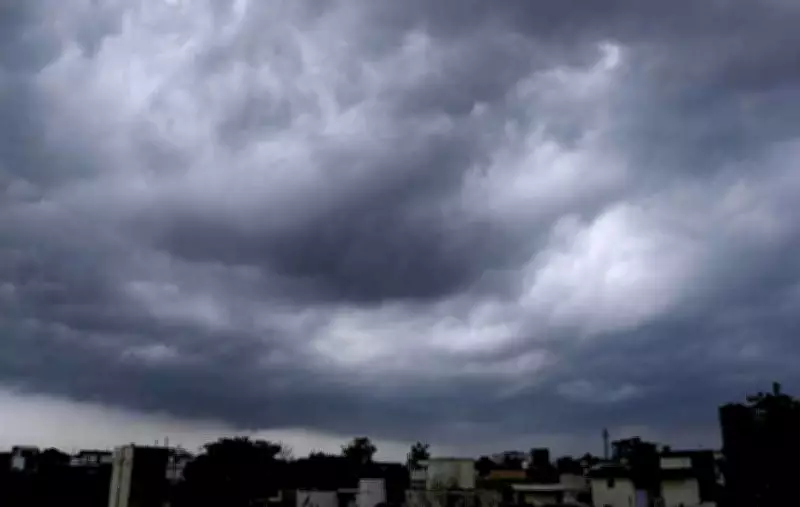
The India Meteorological Department (IMD) has forecasted below-normal rainfall across most parts of the country for the upcoming monsoon season. In its latest long-range forecast, the IMD stated that the seasonal rainfall from June to September is likely to be 96% of the Long Period Average (LPA), which is considered below normal. The LPA for the monsoon season is 868.6 mm based on data from 1971-2020.
Regional Variations
While the overall rainfall is expected to be below normal, some regions may experience normal precipitation. The IMD has indicated that parts of peninsular India, including Kerala, Karnataka, and Tamil Nadu, are likely to receive normal to above-normal rainfall. In contrast, northwestern and central India, including states like Rajasthan, Gujarat, and Madhya Pradesh, are expected to receive below-normal rainfall. The northeastern states may also see deficient rainfall.
Impact on Agriculture
The below-normal monsoon could have significant implications for India's agriculture sector, which heavily relies on monsoon rains for irrigation. Kharif crops such as rice, sugarcane, cotton, and pulses are particularly vulnerable. Farmers may need to adopt water-saving techniques and the government may have to plan for contingency measures to mitigate potential crop losses.

El Nino Factor
The IMD attributed the below-normal rainfall forecast to the likely development of El Nino conditions, which are known to suppress monsoon rainfall in India. El Nino is characterized by warming of sea surface temperatures in the Pacific Ocean, and its effects on the Indian monsoon have been historically observed.
Other Key Predictions
- The monsoon onset over Kerala is expected around June 4, with a model error of plus or minus 4 days.
- Rainfall over the core monsoon zone, which is crucial for agriculture, is likely to be below normal.
- Parts of the northwest and central India may receive less than 90% of the LPA.
The IMD will issue a more detailed forecast in the coming weeks as the monsoon approaches. The government and stakeholders are advised to prepare for potential water scarcity and agricultural challenges.






