Bab el-Mandeb Strait: The Narrow Waterway That Could Disrupt Global Trade
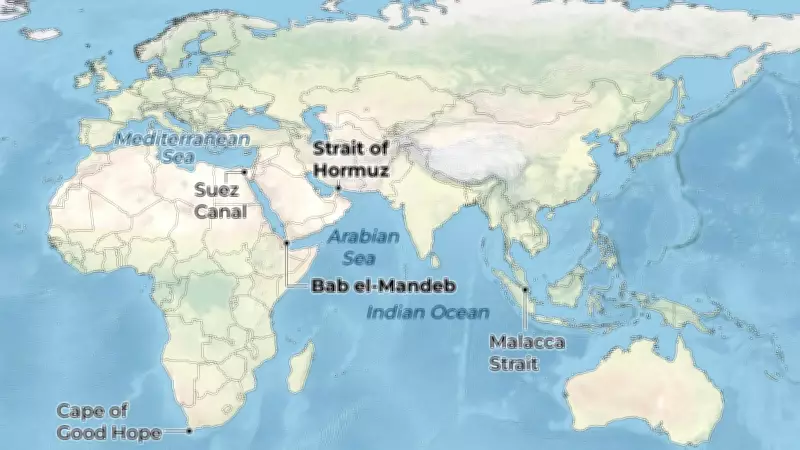
In the volatile landscape of West Asia, a 30-kilometer-wide stretch of water at the southern edge of the Red Sea is increasingly being viewed as a potential flashpoint for the next global trade shock. Known as the Bab el-Mandeb strait, this narrow maritime passage is gaining critical importance as risks to other key routes, such as the Strait of Hormuz, persist.
Rising Dependence on Bab el-Mandeb Amid Regional Conflicts
As conflicts in West Asia continue to widen, global energy and trade flows are becoming more reliant on the Bab el-Mandeb strait. This chokepoint serves as a vital conduit for oil and commercial shipments, with its strategic location making it susceptible to disruptions that could ripple through the world economy. The strait's significance is underscored by its role in connecting the Red Sea to the Gulf of Aden, facilitating trade between Europe, Asia, and Africa.
Comparison with the Strait of Hormuz
While the Strait of Hormuz remains a focal point of concern, through which approximately one-fifth of the world's oil flows, attention is shifting to Bab el-Mandeb as an alternative or complementary risk. The ongoing threats to Hormuz have prompted a reevaluation of global supply chains, with Bab el-Mandeb emerging as a critical backup or pressure point. Any blockage or conflict in this area could lead to significant delays, increased shipping costs, and potential energy shortages.

Implications for Global Energy Security
The potential for the Bab el-Mandeb strait to trigger a trade shock highlights the fragility of global energy security. As nations and corporations lean more heavily on this route, the need for robust contingency plans and diplomatic efforts to ensure safe passage becomes paramount. The strait's narrow width makes it particularly vulnerable to geopolitical tensions, piracy, or military actions, which could have cascading effects on international markets.
In summary, the Bab el-Mandeb strait is poised to play a pivotal role in the future of global trade, with its stability being crucial to preventing widespread economic disruptions. As West Asia conflicts evolve, monitoring this chokepoint will be essential for policymakers and industry leaders alike.