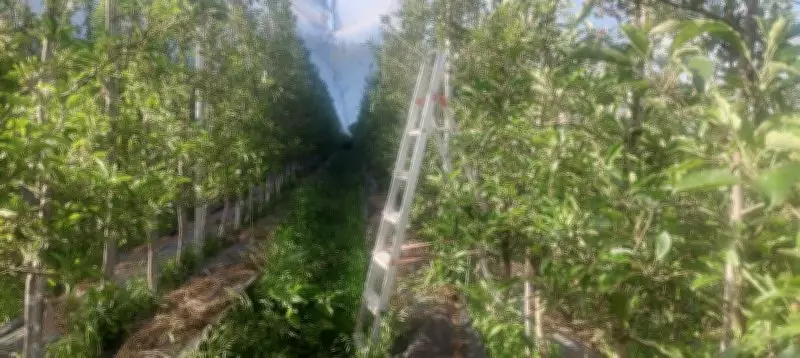
Apple farming, once the pride of Himachal Pradesh, is now grappling with the harsh realities of climate change. Rising temperatures, unpredictable rainfall, and shifting seasons are wreaking havoc on the state's iconic orchards, threatening the livelihoods of thousands of farmers.
The Changing Climate and Its Impact
Himachal Pradesh's apple belt, which spans districts like Shimla, Kullu, and Kinnaur, has experienced a noticeable shift in weather patterns over the past decade. Winters are warmer, snowfall has become erratic, and the chilling hours required for apple trees to bear fruit are diminishing. According to experts, apple trees need a specific period of cold dormancy, typically between 1,000 and 1,600 hours below 7 degrees Celsius, to produce a healthy crop. However, with temperatures rising, many regions no longer meet this requirement.
Declining Yields and Quality
The consequences are stark. Apple yields have dropped significantly, with some farmers reporting losses of up to 50% compared to a decade ago. The quality of the fruit has also suffered, with smaller sizes, uneven coloring, and increased susceptibility to pests and diseases. Varieties like Royal Delicious and Red Chief, which once thrived, are now struggling to adapt.

Farmers like Ramesh Sharma, a third-generation apple grower from Kotgarh, have seen their orchards wither. "My grandfather used to harvest 1,000 boxes per season. Now, I am lucky to get 200," he laments. Many have been forced to uproot apple trees and switch to alternative crops like pomegranates, kiwis, or vegetables, which are more resilient to warmer conditions.
Adaptation and Government Initiatives
In response, the Himachal Pradesh government has launched programs to help farmers adapt. These include promoting high-density apple plantations, which use dwarf rootstocks and require less chilling, and introducing new varieties that can withstand higher temperatures. Subsidies are also provided for irrigation systems and anti-hail nets to protect orchards from extreme weather events.
Research and Development
Agricultural universities and research institutions are working on developing climate-resilient apple varieties. Dr. Anil Sharma, a horticulture scientist at Dr. Yashwant Singh Parmar University, explains, "We are testing hybrids that require fewer chilling hours and have better heat tolerance. Early results are promising, but widespread adoption will take time."
The Human Cost
Beyond the economic impact, the decline of apple farming is eroding a way of life. For generations, apple cultivation has been central to the culture and identity of Himachal's hill communities. Young people are increasingly leaving for cities, as farming becomes unviable. "I don't want my children to struggle like me," says farmer Sunita Devi, who has sent her son to work in a hotel in Shimla.
Looking Ahead
While some farmers are adapting, the long-term outlook remains uncertain. Climate models predict that by 2050, the area suitable for apple cultivation in Himachal could shrink by 50%. Without concerted efforts to mitigate climate change and support agricultural innovation, the state's apple industry may continue to wither.
As the world grapples with a warming planet, the story of Himachal's apple farmers serves as a cautionary tale. It underscores the urgent need for sustainable practices and global climate action to protect not just crops, but the communities that depend on them.